
New Delhi, India | March 28, 2026
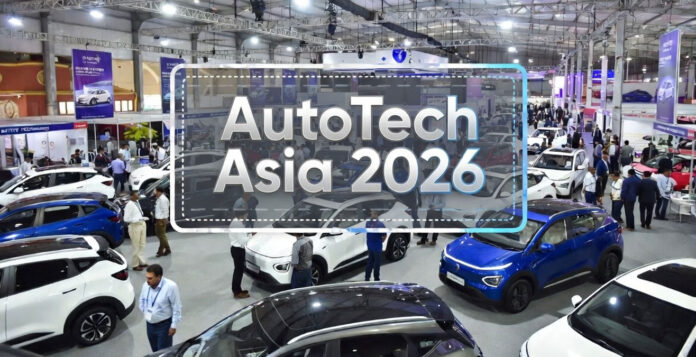
AutoTech Asia 2026, a major B2B exhibition focused on automotive, electric mobility, battery technologies, and manufacturing systems, was officially announced on Friday at a press conference in New Delhi.
Scheduled to take place from April 17 to 19, 2026, at Bharat Mandapam, the event aims to create a unified platform connecting stakeholders across the automotive value chain.
Organisers expect the exhibition to feature 250+ exhibitors and attract over 25,000 trade visitors, including OEMs, EV manufacturers, battery firms, suppliers, investors, and policymakers from India and abroad.
Industry Platform to Bridge Fragmentation
Speaking at the launch, Mukesh Yadav emphasized that the initiative is designed to address fragmentation within the industry.
He noted that while the automotive ecosystem is evolving rapidly, collaboration across segments remains limited. The event aims to bring manufacturers, suppliers, and technology providers together to enable faster sourcing, partnerships, and business outcomes.
Ashish Jain added that the platform will support both established players and emerging startups, fostering innovation-driven collaboration across the sector.
Strong Participation Across the Automotive Ecosystem
AutoTech Asia 2026 will showcase a comprehensive cross-section of the industry, including:
- Automotive OEMs and Tier-1 suppliers
- Electric vehicle manufacturers and startups
- Battery and energy storage companies
- Component and system suppliers
- Manufacturing and automation technology providers
- Software, electronics, and connected mobility firms
The event is expected to bring together key decision-makers across procurement, R&D, production, and business leadership.
EV and Battery Tech to Take Center Stage
A major highlight of the exhibition will be the integration of the second editions of EV Tech and Battery Tech within the main platform.
- EV Tech Segment: Focus on EV manufacturing, charging infrastructure, IoT-enabled mobility, cybersecurity, and power electronics
- Battery Tech Segment: Covering cell and pack technologies, battery management systems, and energy storage solutions including BESS
This integration reflects the growing convergence between automotive manufacturing, electrification, and energy systems.
Dedicated Pavilions and Experience Zones
The exhibition will feature multiple themed zones to enable targeted engagement:
- Startup Pavilion for emerging innovations
- International Pavilions (including Italy and China)
- Finance Pavilion for EV and auto funding solutions
- NHEV Pavilion focusing on highway EV infrastructure
- Experience Zone with live demonstrations
- Two-wheeler and commercial vehicle zones
- Auto components and renewable energy pavilions
- Automotive electronics, IoT, and software zones
These curated spaces aim to enhance networking, collaboration, and business opportunities.
AutoTech Conclave: 3-Day Industry Dialogue
Alongside the exhibition, the AutoTech Conclave will host a three-day conference featuring:
- 10+ panel discussions
- 100+ speakers
- 500+ conference delegates
- 3,500+ total industry participants
Key themes include automotive innovation, EV adoption, battery technologies, and investment trends.
India’s Auto Industry at a Turning Point
The event comes at a time when India’s automotive sector is undergoing rapid transformation driven by:
- Electrification and EV adoption
- Localization of manufacturing
- Integration of software and electronics
- Advanced industrial technologies
Industry estimates suggest the sector could reach $300 billion by 2030, supported by government initiatives promoting clean mobility and domestic manufacturing.
Organisers and Vision
AutoTech Asia 2026 is being organized by Auto Tech Globe Media, a collaboration between Nanya Group and Globe-Tech Media Solutions.
The event is positioned as a key meeting point for stakeholders across automotive manufacturing, electric mobility, battery technology, and industrial innovation.
Outlook
With strong industry participation and a focus on integration, AutoTech Asia 2026 is expected to play a pivotal role in shaping the future of India’s automotive and mobility ecosystem.