Washington/Beijing — March 26, 2026
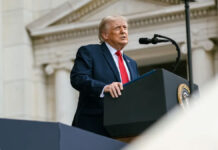
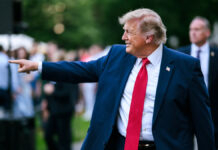
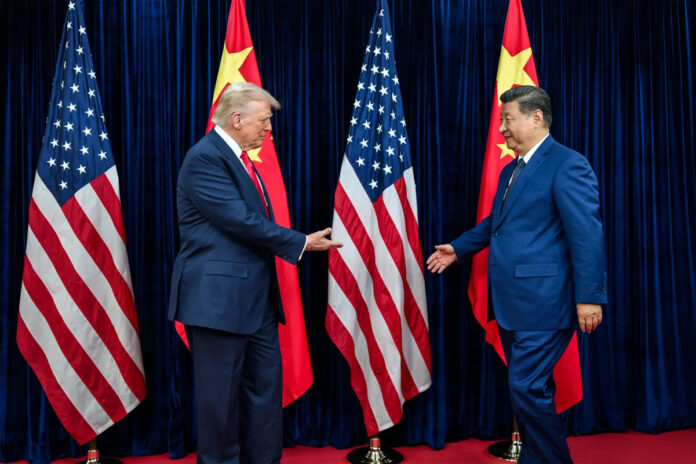
U.S. President Donald Trump will travel to China on May 14–15 for high-level talks with Chinese President Xi Jinping, marking a pivotal diplomatic moment as global tensions intensify and bilateral relations remain strained.
The visit—set to be the first by a sitting U.S. president to China since 2017—was initially delayed due to the ongoing Iran conflict, highlighting how rapidly evolving geopolitical crises are reshaping international diplomacy.
A Critical Moment for US-China Relations
The White House has framed the upcoming meeting as a strategic opportunity to stabilize relations between the world’s two largest economies at a time of heightened uncertainty.
U.S.-China ties have been under sustained pressure in recent years due to:
- Prolonged trade disputes and tariff measures
- Technology restrictions and supply chain decoupling
- Strategic rivalry across the Indo-Pacific region
Diplomatic observers say the meeting could help reopen communication channels, reduce economic friction, and set the tone for future engagement.
Iran Conflict Reshapes Diplomatic Priorities
The delay of the trip underscores the far-reaching impact of the ongoing Iran conflict on global diplomacy. The war has not only heightened tensions in the Middle East but also disrupted key international engagements.
Analysts expect the Iran situation to feature prominently in discussions between Washington and Beijing, particularly in areas such as:
- Energy security and oil supply disruptions
- Regional stability and conflict de-escalation
- Coordination within global institutions
China’s economic ties with Iran and its role in global energy markets position Beijing as a critical player in any broader diplomatic effort.
Domestic Pressures and Political Stakes
The visit comes at a challenging time for Donald Trump, whose approval rating has fallen to 36%, according to a Reuters/Ipsos poll.
The decline reflects growing domestic concerns, including:
- Rising gasoline prices linked to Middle East instability
- Inflationary pressures tied to global energy markets
- Public scrutiny over foreign policy decisions
The China visit is likely to be viewed as a key test of Trump’s leadership on the global stage, with potential political implications at home.
Global Context: A Convergence of Crises
The Trump-Xi meeting will take place against a backdrop of overlapping global challenges:
- The prolonged war in Ukraine
- Escalating tensions involving Iran
- Fragile post-pandemic economic recovery
- Increasing geopolitical fragmentation
Experts note that the convergence of these crises makes US-China coordination more consequential than at any point in recent years.
What’s at Stake
The outcome of the meeting could carry significant implications for global markets and diplomacy:
- Potential easing—or escalation—of trade tensions
- Signals on tariff policies and economic cooperation
- Strategic alignment or divergence on global conflicts
- Market reactions tied to perceived geopolitical stability
Investors and policymakers alike will be closely watching for any signs of progress or renewed friction.