New Delhi, March 12, 2026
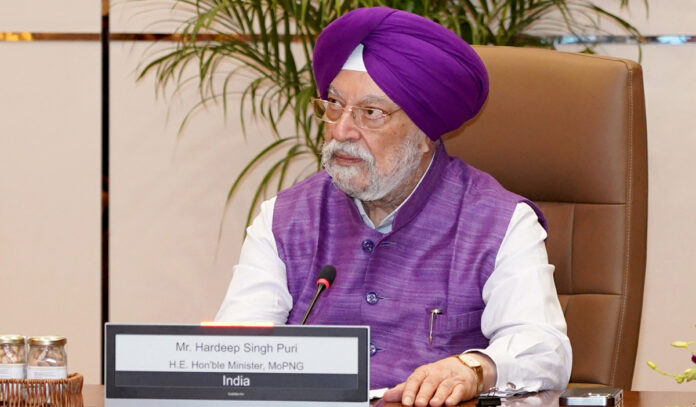
Union Petroleum and Natural Gas Minister Hardeep Singh Puri addressed the Lok Sabha today, firmly assuring the House and the nation that India faces no shortage of petrol, diesel, kerosene, or other petroleum products despite severe global disruptions caused by the ongoing Iran-Israel conflict.
Speaking amid heightened concerns over the effective closure of the Strait of Hormuz—the critical chokepoint through which about 20% of global oil normally flows—Puri described the situation as unprecedented in modern energy history. “The world has perhaps never seen a moment like this,” he stated, noting that commercial shipping through the strait has been severely hampered for the first time on record due to the escalating West Asia tensions.
Puri emphasized that India’s crude oil supply remains fully secure, crediting Prime Minister Narendra Modi’s proactive diplomatic efforts. “Thanks to the PM’s outstanding outreach and goodwill, we have secured crude volumes that exceed what would have come through the disrupted Hormuz route in this period,” he explained. He revealed that India has diversified sourcing, with around 40% of crude now arriving from alternative routes and countries like Russia, Canada, and Norway, pushing non-Hormuz imports to approximately 70% of total needs.
Addressing specific worries about cooking gas, Puri clarified there is no nationwide LPG crisis for households. “Our priority is ensuring that the kitchens of 33 crore families do not face any fuel shortage,” he stressed. Domestic LPG production has risen by 28%, CNG supplies continue at 100%, and fresh LNG cargoes arrive daily. He attributed any localized tightness—particularly for commercial users like restaurants and hotels—to panic buying and hoarding, which has artificially spiked demand. “There is no need for panic; supplies are adequate, and we are fully prepared to handle this,” Puri added, urging consumers to avoid unnecessary stockpiling.
The minister highlighted government actions, including directives to refineries to maximize household-focused output, curbs on black-marketing, and invocation of emergency measures to prioritize domestic needs. He contrasted the current resilience with potential vulnerabilities, noting India’s diversified import strategy has buffered the impact compared to reliance on a single route.
Puri’s statement came in response to earlier opposition criticisms, including those from Leader of Opposition Rahul Gandhi, who had warned of broader energy security risks and immediate hardships for small traders and vendors. The minister’s remarks aimed to restore confidence, with officials monitoring the volatile global market closely.
As the conflict in West Asia shows no immediate signs of resolution, India’s approach focuses on strategic stockpiles, alternative sourcing, and domestic boosts to maintain stability. No fuel rationing is in place, and authorities continue to emphasize calm consumption to prevent self-induced shortages.