Damascus | January 19, 2026
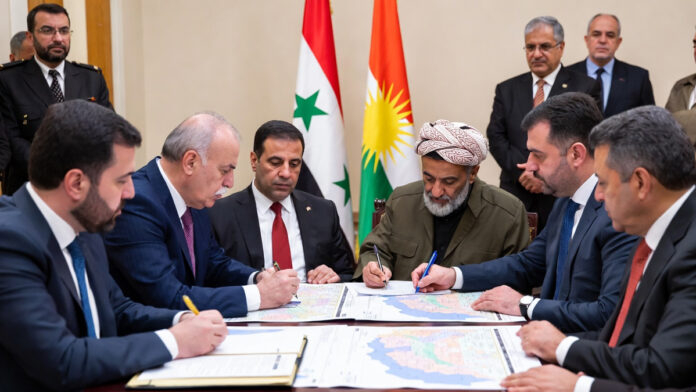
Syrian President Ahmed al-Sharaa announced a sweeping ceasefire and military integration agreement with Kurdish-led forces on Monday, ending nearly two weeks of clashes that forced thousands of civilians to flee northern Syria. The deal is seen as a major step toward stabilizing post-conflict regions and rebuilding security structures across the country.
According to officials, the agreement will allow the Syrian government to reassert control over most contested areas, formally halting hostilities between state forces and Kurdish militias. The move aims to reduce armed fragmentation and align military operations under a unified command structure.
International observers are expected to oversee the implementation of the ceasefire, helping monitor compliance and prevent renewed violence. The arrangement may also open critical pathways for humanitarian aid, which had been severely disrupted during the recent fighting.
The clashes, which erupted earlier this month, had intensified security concerns in areas already struggling with infrastructure damage and limited access to medical services. Authorities say the new framework is designed to restore order, enhance coordination between local and national security bodies, and strengthen long-term stability efforts.
The announcement comes amid broader national initiatives to reduce violence, rebuild governance institutions, and reestablish central authority following years of conflict. Analysts note that the agreement could influence future political negotiations, especially if de-escalation continues and integrated forces maintain operational discipline.
With international attention focused on Syria’s evolving security landscape, the ceasefire and integration deal marks one of the most significant developments in recent months—offering a potential pathway toward sustained peace and reconstruction.