Washington, D.C. l Tehran , February 11, 2026
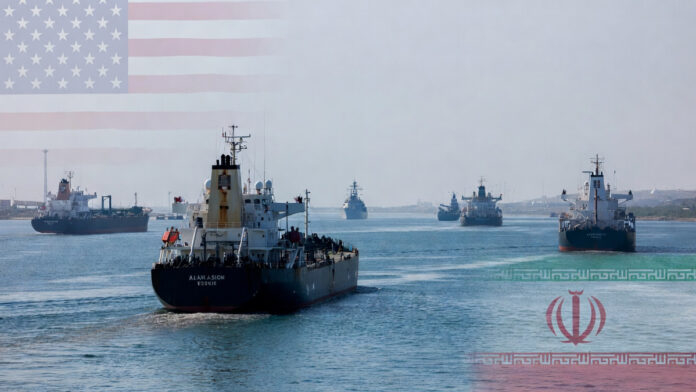
Tensions between the United States and Iran remain elevated despite recent indirect talks mediated in Oman. The Trump administration has issued guidance advising U.S.-flagged commercial vessels transiting the Strait of Hormuz to avoid Iranian territorial waters amid ongoing regional strain.
The advisory comes as Iran prepares to mark the 47th anniversary of its Islamic Revolution and as diplomatic efforts over Tehran’s nuclear program continue without a breakthrough.
⚓ U.S. Issues Maritime Advisory
According to U.S. naval guidance, captains of American-flagged commercial ships were cautioned not to allow Iranian military personnel to board their vessels while navigating the strategically sensitive Strait of Hormuz.
The advisory recommends that ships maintain safe navigation while avoiding Iranian territorial waters as a precautionary measure. The Strait of Hormuz is one of the world’s most critical energy transit routes, handling a significant portion of global oil shipments.
🇮🇷 Khamenei Urges Unity Ahead of Revolution Anniversary
Iran’s Supreme Leader Ali Khamenei addressed the nation ahead of the February 11 rallies marking the 47th anniversary of the Islamic Revolution.
In a televised message, Khamenei described the annual demonstrations as a powerful display of national strength and unity. He called on citizens to show resolve and solidarity to “frustrate enemies,” emphasizing Iran’s commitment to defending its sovereignty.
The anniversary events are expected to include nationwide rallies and official ceremonies.
🇮🇱 Netanyahu to Discuss Iran With Trump
Netanyahu is expected to encourage a broader framework for ongoing nuclear discussions with Iran. Israel has consistently called for Iran to halt uranium enrichment, scale back its missile program, and sever ties with regional militant groups.
The renewed diplomatic activity follows the recent indirect negotiations between U.S. and Iranian representatives in Oman.
🇴🇲 Senior Iranian Official to Visit Oman
Iranian security official Ali Larijani is set to travel to Oman, which has been mediating discussions between Tehran and Washington.
Larijani, a former Speaker of Iran’s Parliament and current secretary of the Supreme National Security Council, is expected to help shape Iran’s response to the first round of talks.
Oman has historically played a key role in facilitating dialogue between the two nations.
⚔️ Iranian Armed Forces Issue Warning
Iran’s Armed Forces General Staff issued a statement warning that any threat along its borders would be met with a strong and comprehensive response.
The declaration, made on the eve of the Islamic Revolution anniversary, reaffirmed Iran’s commitment to defending against what it described as external threats and military pressure in the region.
The statement comes amid heightened U.S. military presence and rhetoric concerning potential actions related to Iran’s nuclear program.
🌍 Broader Regional Context
Despite ongoing diplomatic channels, the atmosphere between Washington and Tehran remains tense. The Strait of Hormuz continues to serve as a focal point for geopolitical concerns due to its strategic importance for global energy markets.
Further rounds of talks are expected, but no timeline for a formal agreement has been announced.