Washington, D.C., — February 20, 2026
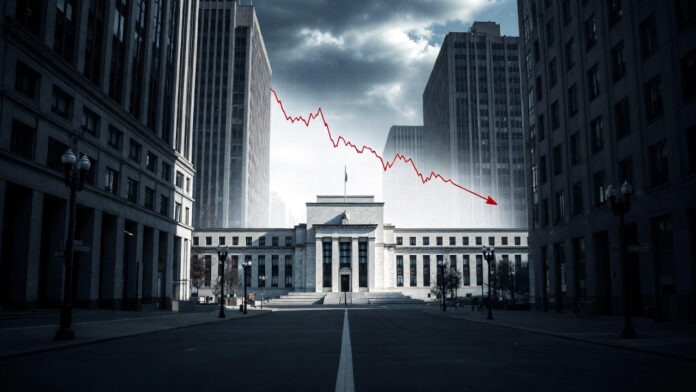
The U.S. economy slowed sharply at the end of 2025, with real gross domestic product expanding at an annualized rate of 1.4% in the fourth quarter, according to an advance estimate released Friday by the U.S. Bureau of Economic Analysis.
The figure marks a steep drop from 4.4% growth in Q3 2025 and came in well below economists’ expectations, which generally ranged between 2.5% and 3.5%. Analysts attributed much of the slowdown to reduced government spending tied to a prolonged federal shutdown and weaker export performance.
Key Drivers Behind the Slowdown
The report showed that while parts of the private sector remained resilient, several factors weighed heavily on growth:
Consumer spending: Increased 2.4%, but slowed compared with earlier quarters.
Business investment: Rose 2.6%, supported by intellectual property and equipment spending.
Government spending: Fell 5.1%, subtracting about 0.9 percentage points from GDP.
Exports: Declined 0.9%.
Economists widely cited the 43-day federal government shutdown from October to November 2025 as a primary driver of the drop in public spending. Analysts estimate the shutdown alone reduced quarterly growth by roughly 0.3 to 1 percentage point.
Full-Year Economic Performance
Despite the late-year weakness, the economy expanded 2.2% for all of 2025, down from 2.8% growth in 2024 but still reflecting steady consumer demand and investment activity earlier in the year.
Inflation Remains Stubborn
The same release included updated data on Personal Consumption Expenditures (PCE) prices — the inflation gauge preferred by the Federal Reserve.
Core PCE: Rose 0.4% in December and accelerated to 3.0% year-over-year.
Headline PCE: Increased 0.4% monthly and 2.9% annually.
Both readings came in hotter than forecasts, reinforcing concerns that inflation may remain persistent even as growth moderates.
Implications for Interest Rates
The Fed paused rate cuts after three reductions in late 2025 and has kept its benchmark rate at 3.5%–3.75% since January 2026. Minutes from the latest meeting of the Federal Open Market Committee show policymakers divided but leaning toward holding rates steady until more data clarifies inflation trends.
Market pricing tools such as CME FedWatch Tool now suggest the next possible rate cut may not arrive until June 2026, with investors expecting only one or two reductions this year — far fewer than previously anticipated.
Mixed Economic Outlook
Economists are split on how to interpret the report:
Optimistic view: The slowdown is temporary and largely shutdown-related, with private-sector momentum intact.
Cautious view: Persistent inflation combined with policy uncertainty could keep growth subdued longer than expected.
Upcoming labor and inflation reports are expected to play a critical role in shaping market expectations and central bank decisions.