Washington, DC | January 9, 2026
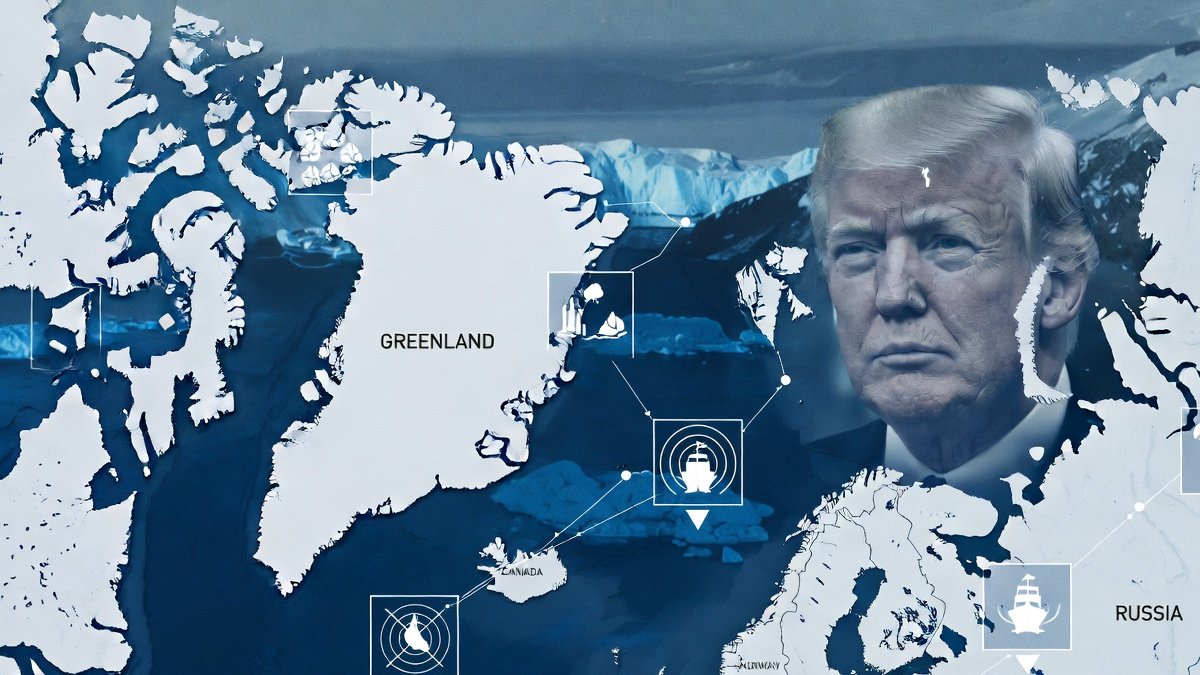
The US President Donald Trump has once again placed Greenland at the center of a global geopolitical debate, asserting that the Arctic island is critical to America’s security and long-term strategic interests. Trump has said that the United States needs Greenland “at all costs,” prompting renewed discussion within the US administration on potential ways to bring the territory closer to Washington.
According to reports, US officials have explored the possibility of offering financial incentives to Greenland’s population of around 57,000, encouraging them to consider separation from Denmark and closer integration with the United States. The proposal under discussion includes one-time payments ranging from $10,000 to as much as $100,000 per person, which could cost the US government up to $6 billion if implemented.
White House officials have previously indicated that all options remain on the table regarding Greenland. In an earlier press briefing, White House Press Secretary Karoline Leavitt said Trump and his national security team were assessing what a potential “purchase of Greenland” could look like in practical terms.
Europe Responds With Strong Warnings
Trump’s remarks have sparked concern across Europe. France, Germany, Italy, Poland, Spain, the United Kingdom, and Denmark, among others, issued a joint statement emphasizing that Greenland belongs to its people, and only they have the right to determine its future.
Denmark went further, warning that any challenge to Greenland’s sovereignty could have serious implications for NATO, underscoring the broader security risks of escalating tensions over the territory.
Why Greenland Matters to the US
Greenland’s appeal lies primarily in its vast mineral wealth, particularly rare earth elements that are essential for smartphones, computers, electric vehicle batteries, and other high-tech products. At present, China dominates the global supply of these critical minerals, prompting the US and its allies to seek alternative sources to reduce strategic dependence.
Beyond minerals, Greenland’s geographic location makes it strategically invaluable. Nearly 80 percent of the island lies within the Arctic Circle. During World War II, the US expanded its military presence there to secure the North Atlantic and prevent Nazi Germany from gaining control.
Today, climate change is rapidly melting Arctic ice, opening up potential new shipping routes and intensifying competition among the US, Russia, China, and European nations for influence in the region. As Arctic geopolitics heats up, Greenland’s role in global strategy has become increasingly significant.