New Delhi, India — April 13, 2026
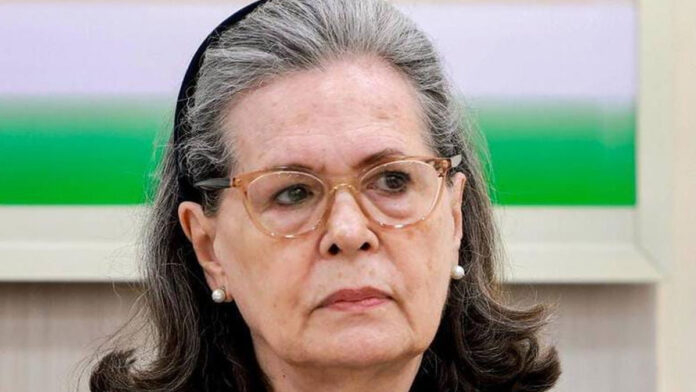
Sonia Gandhi has sharply criticized the recently passed women’s reservation bill, calling it “deeply flawed” and describing it as an “assault on the Constitution,” intensifying the political debate around one of the most significant legislative moves on gender representation in India.
The bill, introduced by the BJP-led central government, proposes reserving one-third of seats in the Lok Sabha and state legislative assemblies for women, a long-pending reform aimed at increasing female participation in Indian politics.
Congress Raises Constitutional Concerns
According to Sonia Gandhi, the legislation raises serious concerns over its constitutional validity and implementation framework.
Key objections highlighted include:
- Potential impact on federal structure
- Dependence on future delimitation of constituencies
- Lack of clarity on representation for marginalized communities
The Congress leadership argues that these gaps could undermine the intended objective of inclusive political empowerment.
Political Divide Deepens
Indian National Congress has positioned the criticism as part of a broader push for amendments to ensure the bill aligns fully with constitutional safeguards.
On the other hand, the ruling Bharatiya Janata Party has defended the legislation as a historic step toward gender equality in governance.
The bill has now been passed in Parliament and is awaiting presidential assent, marking a crucial stage before it becomes law.
Why the Bill Matters
Currently, women make up roughly 14% of members in the Lok Sabha, highlighting the gender gap in political representation.
Supporters of the bill argue it could:
- Increase women’s participation in policymaking
- Improve gender-sensitive governance
- Strengthen democratic inclusivity
However, critics maintain that structural issues within political parties and implementation delays may limit its real impact.
Key Issues in Focus
🔹 Delimitation Linkage
The bill’s rollout is tied to future delimitation exercises, raising concerns about delayed implementation timelines.
🔹 Reservation Cap Debate
Opposition leaders have also questioned how the bill interacts with the existing 50% reservation cap, a key constitutional benchmark.
🔹 Inclusivity Concerns
There are calls for clearer provisions to ensure representation for OBC and minority women, which critics say are currently not explicitly addressed.
Political Implications Ahead
The controversy is expected to fuel political polarization, especially with upcoming state elections on the horizon.
Parties are likely to use the issue to:
- Mobilize women voters
- Highlight governance and constitutional debates
- Frame narratives around inclusivity and representation