Moscow, Russia | March 28, 2026
Russia will impose a nationwide petrol export ban starting April 1, 2026, in a move aimed at maintaining stable fuel supplies and preventing price spikes at home as global oil markets face heightened uncertainty.
The decision comes amid ongoing geopolitical tensions in West Asia that have disrupted supply chains and contributed to volatile crude oil prices. Officials said the measure is precautionary, designed to insulate the domestic market from external shocks.
High-Level Review Triggers Policy Action
The policy follows a high-level government review chaired by Deputy Prime Minister Alexander Novak, who oversees the energy sector.
According to officials, the review concluded that:
- Russia maintains sufficient refining capacity and fuel reserves
- Domestic supply remains stable despite global disruptions
- Preventive intervention is necessary to keep prices under control
Following the meeting, the Energy Ministry was instructed to implement the export ban to prioritize internal consumption.
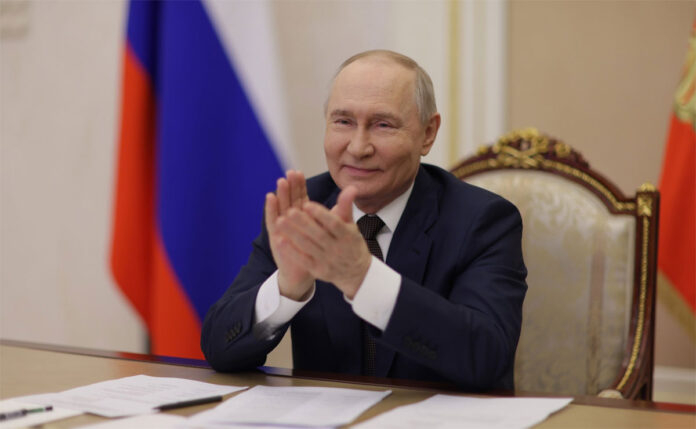
Putin Directs Price Stability Measures
Government statements indicate that:
- Petrol and diesel inventories are adequate to meet domestic demand
- Refining operations are running at stable levels
- Authorities are monitoring pricing trends closely
The export ban is intended to reinforce these safeguards and prevent external price pressures from affecting consumers.
Global Energy Context Driving the Decision
Russia’s move comes at a time of significant volatility in global energy markets, influenced by:
- Rising tensions in the Middle East
- Risks to key shipping routes such as the Strait of Hormuz
- Fluctuations in crude oil and refined fuel prices
These developments have prompted several governments to reassess energy security strategies and build domestic buffers.
Potential Global Impact
As a major exporter of refined petroleum products, Russia’s petrol export ban is expected to have ripple effects beyond its borders.
Market analysts suggest the move could:
- Tighten availability of petrol in international markets
- Increase competition among importing nations
- Contribute to upward pressure on global fuel prices
However, the extent of the impact will depend on the duration of the ban and alternative supply adjustments by other producers.
Strategic Shift Toward Energy Security
The decision reflects a broader global trend in which countries prioritize domestic energy security during periods of geopolitical uncertainty.
With supply routes under strain and demand remaining strong, governments are increasingly focused on:
- Securing internal reserves
- Reducing exposure to external volatility
- Maintaining price stability for consumers and industries
Outlook
The petrol export ban, set to take effect on April 1, will be closely watched by global energy markets. While it is expected to stabilize Russia’s domestic fuel environment, it may also contribute to continued volatility internationally as supply dynamics adjust.