New Delhi, India — May 22, 2026
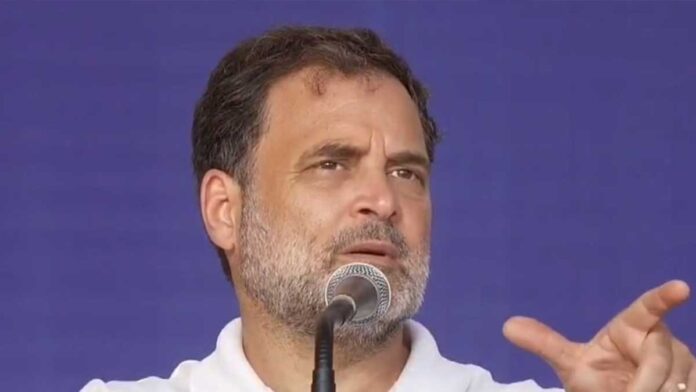
Senior Congress leader Rahul Gandhi on Friday launched another sharp attack on the central government over the NEET-UG paper leak controversy, accusing the administration of failing millions of students and avoiding accountability in the examination crisis.
The remarks came after protests erupted in parts of Rajasthan over the alleged irregularities linked to the NEET examination process, which has triggered widespread concern among students and parents across the country.
In a strongly worded statement, Gandhi alleged that the NEET paper leak had “destroyed the future of lakhs of students” and claimed that several students were pushed into severe emotional distress due to uncertainty surrounding the examination.
He further criticized Prime Minister Narendra Modi, alleging that the government neither accepted responsibility for the controversy nor took action against Union Education Minister Dharmendra Pradhan.
“The NEET paper leak ruined the future of millions of students. Some children even lost their lives. Prime Minister Modi neither accepted responsibility nor removed Dharmendra Pradhan,” Gandhi said while reacting to the latest protests.
The NEET-UG examination controversy has remained a major political flashpoint, with opposition parties demanding a transparent investigation, stricter safeguards in competitive examinations, and accountability from officials overseeing the testing process.
Student groups and education activists have also continued to raise concerns about examination security, transparency in evaluation, and the mental pressure faced by aspirants preparing for highly competitive entrance exams.
The central government has previously stated that agencies are investigating allegations linked to examination irregularities and has maintained that strict action would be taken against those found responsible.
The issue has sparked nationwide debate over the integrity of India’s competitive examination system, especially for high-stakes medical entrance tests affecting millions of students annually.