New Delhi, March 24, 2026
India’s domestic political landscape has heated up amid the ongoing West Asia conflict, with senior Congress leader Rahul Gandhi launching a sharp attack on Prime Minister Narendra Modi over his handling of foreign policy.
Speaking to reporters in the Parliament complex, Gandhi alleged that India’s foreign policy has become “personalized” under Modi and is no longer guided by institutional consensus.
Rahul Gandhi Questions India’s Global Positioning
Gandhi claimed that the current foreign policy approach is being viewed critically on the global stage.
“India’s foreign policy has now become the Prime Minister’s personal policy. The world is looking at it as a joke,” he said.
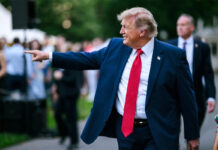
He further alleged that former US President Donald Trump has significant influence over Modi’s decisions, stating that “Trump knows what Modi will do and what he won’t.”
Warning Over Leadership and Strategic Risks
The Congress leader warned that any perceived weakness in leadership could directly impact India’s global standing.
According to Gandhi:
- A weakened leadership could result in a weaker foreign policy
- Strategic decisions may not reflect national interests
- Recent policy moves lack clarity and consistency
He also criticized the government’s recent trade decisions and parliamentary statements, calling them “incoherent” and lacking a clear strategic direction.
Concerns Over Economic Impact on Citizens
Linking foreign policy decisions to domestic consequences, Gandhi said ordinary citizens could face economic hardships.
He pointed to:
- Rising LPG prices
- Increasing petrol costs
- Broader inflationary pressures
Gandhi also referenced comparisons made by the government between the current situation and the COVID-19 period, arguing that the full human and economic cost of the pandemic had not been adequately addressed.
Absence from All-Party Meeting
Gandhi confirmed that he would not attend the all-party meeting on the West Asia situation, citing prior commitments in Kerala.
He also criticized the structure of the meeting, alleging procedural flaws and claiming it would not lead to meaningful outcomes.