Washington, D.C. / Tel Aviv / Doha | March 1, 2026
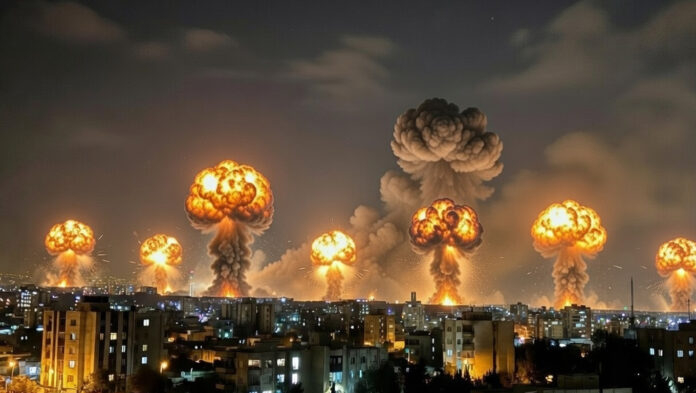
Tensions in the Middle East escalated sharply after the United States and Israel launched coordinated airstrikes targeting multiple locations in Iran, triggering retaliatory action and widespread diplomatic fallout.
According to U.S. officials, joint operations were carried out amid rising regional instability. Iranian cities were reportedly struck in what American authorities described as a significant military action. In response, Iran launched attacks targeting U.S. military installations across several countries in the region.
Trump Claims Iranian Leaders Killed in Strikes
Speaking to ABC News, U.S. President Donald Trump said he believes several Iranian leaders were killed during the coordinated U.S.-Israel operation.
When asked about reports concerning Ali Khamenei, Trump said he believed the information could be accurate, though he acknowledged that full confirmation was not yet available.
“We don’t know everything yet, but a significant number were killed. It was a very powerful strike,” Trump said. He added that military operations would continue “as long as we want.”
No official confirmation regarding the status of Khamenei has been released by Iranian authorities.
Marco Rubio Cancels Israel Visit Amid Escalation
In a separate development, U.S. Secretary of State Marco Rubio canceled his scheduled diplomatic visit to Israel, citing the evolving security situation.
Rubio was expected to visit Israel on Monday and Tuesday. However, the U.S. State Department confirmed that the trip has been called off due to current circumstances.
Assistant Secretary Dylan Johnson announced on social media that the Secretary of State would not travel to Israel on March 2 because of ongoing developments in the region.
The cancellation signals growing concerns in Washington over the rapidly deteriorating security environment.
Iran Retaliates; Qatar Summons Iranian Ambassador
Following the airstrikes, Iran reportedly targeted U.S. military bases in multiple countries. Details regarding casualties or damage remain limited as governments assess the situation.
In response to the regional escalation, Qatar summoned Iran’s ambassador for diplomatic consultations. The move highlights mounting regional unease as Gulf states monitor the situation closely.
India and Türkiye Call for Restraint
The government of India urged both nations to exercise restraint and avoid further escalation. Officials emphasized the importance of dialogue and diplomatic engagement.
Meanwhile, Türkiye offered to play a mediating role to help reduce tensions and prevent broader regional conflict.
Growing Regional and Global Concern
The developments have intensified fears of a wider confrontation across the Middle East. International observers are closely watching military movements and diplomatic signals from Washington, Tehran, and Tel Aviv.
While both sides have made strong public statements, the situation remains fluid. Governments worldwide continue to call for de-escalation amid concerns over energy markets, regional stability, and civilian safety.
Further updates are expected as official confirmations emerge.