Washington, D.C. | January 14, 2026
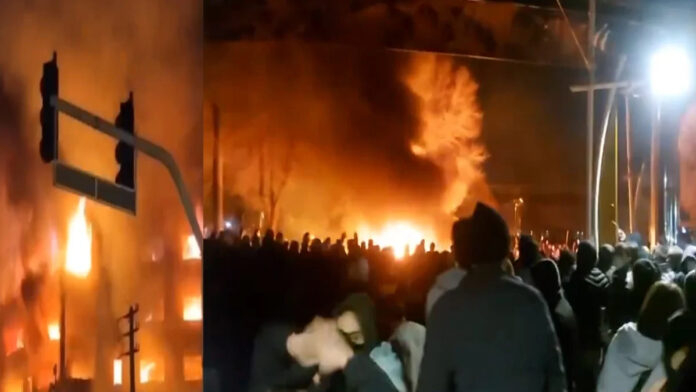
Anti-government demonstrations in Iran have intensified sharply, with a US-based human rights organization and Iranian officials reporting that more than 2,000 protesters may have been killed since the unrest began. The protests, driven by economic hardship, political restrictions, and long-standing grievances against Iran’s clerical establishment, have led to widespread clashes between demonstrators and security forces.
The reported casualty figures have not been independently verified due to limited access and communication disruptions across several provinces.
Security Forces Intensify Crackdown
Rights monitors say Iranian authorities have expanded surveillance measures and increased deployments of security personnel in major cities. The crackdown reportedly includes a combination of digital monitoring technologies and conventional crowd-control methods.
Iranian officials have acknowledged “severe unrest” in multiple regions but have disputed external casualty estimates.
US Reaction: Calls for Continued International Scrutiny
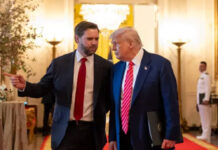
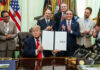
President Donald Trump publicly commented on the protests, expressing support for demonstrators and urging Iranian authorities to avoid harsh punishments for detainees. He also warned that actions against protesters could affect Iran’s economic ties.
Separately, US officials have stated that they are monitoring the situation closely and have urged Iranian security forces to exercise restraint and respect human rights.
Starlink Access Expanded for Protest Communication
Entrepreneur Elon Musk announced that Starlink internet access has been enabled at no cost for users inside Iran, aiming to help restore connectivity for protesters facing government-imposed restrictions.
Digital rights activists report that access remains inconsistent due to local signal-blocking efforts, but the satellite network has helped bypass some outages.
Economic Pressure Fuels Public Anger
Iran’s traders, small businesses, and local marketplaces have reported severe financial strain linked to international sanctions and internal disruptions. Analysts say economic pressure has intensified frustrations among segments of the business community that traditionally avoided direct political involvement.
Internal Dynamics Remain Stable Despite Unrest
Despite the scale of the demonstrations, analysts and regional observers have not identified any confirmed fractures within Iran’s senior political or security leadership. Officials continue to describe the protests as “externally influenced,” while rights groups emphasize domestic economic triggers.
Regional Implications Under Watch
International governments and regional organizations have highlighted concerns over the humanitarian situation and broader regional stability. However, no official indications suggest foreign military involvement or planned intervention.
Diplomatic channels continue to call for de-escalation and protection of civilians.