New Delhi / Washington — February 7, 2026
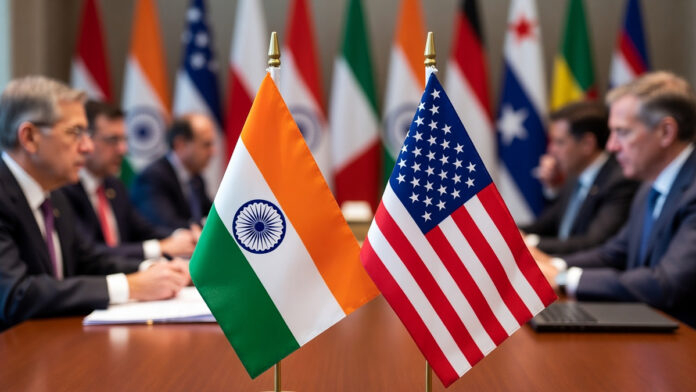
India and the United States have released a joint statement outlining the framework of an interim trade agreement, a move being seen as a major step toward reshaping bilateral economic relations. The agreement is expected to boost trade, create jobs, and strengthen supply chains, while safeguarding India’s sensitive sectors such as agriculture and dairy.
Under the framework, the United States has reduced tariffs on Indian goods from 50% to 18%, significantly improving market access for Indian exporters.
The interim framework will be implemented immediately, while both sides continue negotiations toward a comprehensive bilateral trade agreement.
🇮🇳🇺🇸 What Is the India–US Interim Trade Agreement?
According to the joint statement issued by India and the United States, the deal aims to:
Expand bilateral trade
Generate employment
Strengthen economic resilience
Ensure balanced and mutually beneficial trade
The White House said the framework reaffirms both nations’ commitment to deeper trade engagement. The initiative builds on negotiations launched by US President Donald Trump and Indian Prime Minister Narendra Modi.
🔑 Key Highlights of the India–US Interim Trade Deal
US tariffs on Indian goods cut from 50% to 18%
$30 trillion US market opens wider for Indian MSMEs, farmers, and fishermen
Millions of new jobs expected, especially for women and youth
Zero tariffs (0%) on:
Generic medicines
Gems and jewelry
Aircraft components
Major opportunities for:
Textiles and readymade garments
Leather and footwear
Plastics and rubber products
Organic chemicals
Home décor and handicrafts
Select machinery
No compromise on sensitive Indian products like wheat, rice, maize, milk, cheese, poultry, and other dairy items
India to reduce tariffs on select US agricultural and industrial goods such as nuts, fruits, soybean oil, alcoholic beverages, and animal feed
Enhanced cooperation in digital trade, GPUs used in data centers, and advanced technology
Joint efforts to strengthen supply chains and protect against disruptions from third-country policies
India to purchase $500 billion worth of US energy, aircraft, metals, technology, and coal over five years
🌾 Agriculture & Dairy Protected: What Piyush Goyal Said
India has firmly protected its sensitive agricultural and dairy sectors. Union Minister Piyush Goyal clarified that no concessions were made on key farm and dairy products.
Protected items include:
Wheat, rice, maize, soybeans
Poultry, milk, cheese
Ethanol, tobacco
Select vegetables and meat products
The government said this ensures no adverse impact on farmers or rural livelihoods, balancing trade openness with domestic interests.
🏭 Which Sectors Will Benefit the Most?
Several industries are expected to see immediate gains:
Textiles & apparel
Leather & footwear
Plastics & rubber
Chemicals
Home décor & handicrafts
Machinery
Pharmaceuticals (generic drugs)
Gems & jewelry
Aviation components
For MSMEs, the deal is seen as a gateway to scale exports and integrate into global supply chains.
👥 What Does This Mean for Ordinary People?
More job opportunities, especially in export-driven sectors
Stronger MSMEs leading to local employment
Stable farm incomes due to protected agriculture
Potentially wider availability of imported products at competitive prices
Long-term economic growth through stronger India–US ties
🔮 What Happens Next?
Both countries will implement the interim framework immediately and continue negotiations toward a full-fledged bilateral trade agreement. Officials say the goal is to create a balanced, resilient, and future-ready trade architecture.