New Delhi / London — April 13, 2026
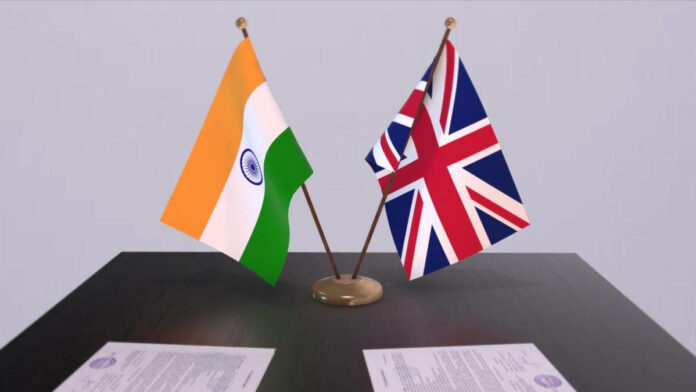
In a major boost to bilateral economic ties, India and United Kingdom are set to implement their long-awaited Free Trade Agreement (FTA) as early as May 2026, according to official sources.
The agreement, formally signed on July 24, 2025, is expected to significantly enhance trade flows, reduce tariffs, and open new market opportunities for businesses in both countries.
Duty-Free Access for Indian Exports
Under the agreement:
- 🇮🇳 99% of Indian exports will gain duty-free access to the UK market
- Key sectors benefiting include:
- Textiles and garments
- Footwear
- Gems and jewelry
- Toys and sports goods
This is expected to provide a major boost to India’s export-driven industries.
🇬🇧 India to Reduce Tariffs on UK Products
In return, India will gradually lower import duties on several British goods:
- 🥃 Scotch whisky tariffs cut from 150% to 75% immediately, with a phased reduction to 40% by 2035
- 🚗 Automobile import duties to drop from 110% to 10% over five years
- 🛍️ Market access expanded for products like chocolates, biscuits, and cosmetics
Opportunities for Electric & Hybrid Vehicles
A key highlight of the deal is the opening of new avenues for Indian automakers:
- 🚘 Indian companies will gain quota-based access to export electric and hybrid vehicles to the UK
- This is expected to strengthen India’s position in the global EV market
Trade Target: $100 Billion by 2030
Both nations have set an ambitious goal to:
- Double bilateral trade from $56 billion to over $100 billion by 2030
The agreement is expected to:
- Increase investment flows
- Strengthen supply chains
- Create employment opportunities
Relief for Workers: Double Contribution Pact
Alongside the FTA, both countries have signed a Double Contribution Convention, which will:
- Prevent temporary workers from paying social security contributions twice
- Benefit professionals working across borders
Strategic Significance
The India-UK FTA comes at a time when global trade dynamics are shifting, offering:
- Diversification of trade partnerships
- Reduced dependence on traditional markets
- Stronger economic cooperation between two major economies
What Happens Next
With implementation expected in May 2026, businesses and exporters are preparing to leverage new opportunities.
Key areas to watch:
- Sector-wise tariff rollouts
- Export growth trends
- Impact on domestic industries
Bottom Line
The India-UK Free Trade Agreement marks a landmark step in economic cooperation, offering significant benefits for exporters, consumers, and industries in both countries while reshaping trade dynamics for the future.