NEW DELHI, India — February 27, 2026
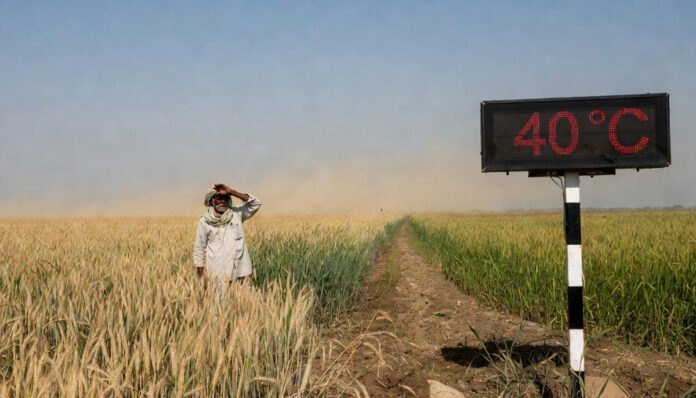
India could face one of its hottest March months on record in 2026, with unusually high temperatures threatening wheat and mustard production across key agricultural states, according to officials from the India Meteorological Department (IMD).
Senior IMD officials indicated that both maximum and minimum temperatures are likely to remain significantly above average in northern and northwestern regions, potentially disrupting critical crop growth stages.
IMD Forecast: Above-Normal Heat Across Northern States
The IMD is expected to formally release its March temperature outlook later this week. However, preliminary assessments suggest daytime temperatures could begin rising sharply in the coming days, with several states likely to see maximum temperatures exceed 40°C by the end of March.
According to officials, regions including Punjab, Haryana, Rajasthan, Uttar Pradesh, and parts of Madhya Pradesh may experience temperatures up to 7°C above normal during the month.
These states account for nearly 80% of India’s wheat and mustard production.
Crop Concerns During Critical Growth Stages
India is the world’s second-largest wheat producer and the largest importer of edible oils. The government has been expecting a bumper harvest in 2026, which could potentially support wheat exports and reduce expensive imports of palm, soybean, and sunflower oil.
However, elevated temperatures during the grain-filling and ripening stages can significantly reduce crop yields.
Excessive heat stress in March could limit overall production, even though sowing was carried out over a record acreage this year.
Ashwini Bansod, Vice President of Commodity Research at Philip Capital India in Mumbai, noted that persistently above-normal temperatures during the first half of March could intensify heat stress for standing crops.