New Delhi/Washington | March 28, 2026
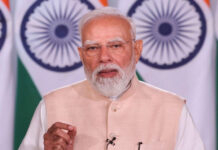
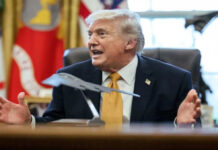
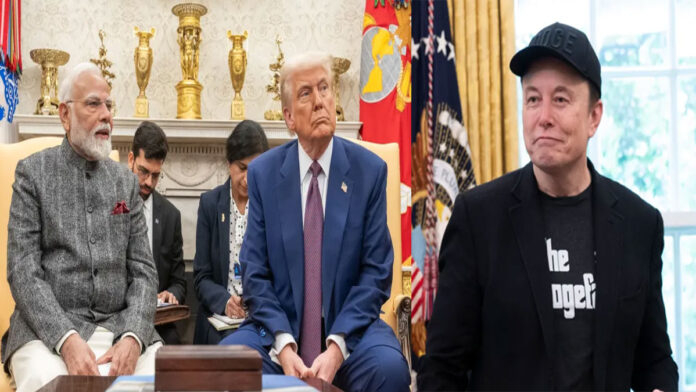
In a striking diplomatic development, billionaire entrepreneur Elon Musk reportedly participated in a high-level phone call between U.S. President Donald Trump and Indian Prime Minister Narendra Modi, as tensions escalate in the Middle East.
The report, first highlighted by The New York Times, described Musk’s involvement as unusual, given that private individuals rarely take part in direct conversations between heads of state during active geopolitical conflicts.
Focus on Strait of Hormuz and Global Energy Security
The discussion centered on the ongoing Iran conflict and its impact on the Strait of Hormuz—a vital maritime corridor through which a significant portion of the world’s oil and gas supply passes.
Leaders emphasized the need to keep shipping lanes open to ensure stability in global energy markets. Disruptions in the region have already triggered spikes in oil prices and heightened risks to international trade.
India Pushes for De-escalation and Stable Trade Routes
Prime Minister Modi described the conversation as “useful,” reiterating India’s position in favor of de-escalation and diplomatic resolution.
Speaking in Parliament, Modi warned that any disruption to the Strait of Hormuz would be “unacceptable,” citing:
- Attacks on commercial vessels
- Rising instability in shipping routes
- Impact on fuel, gas, and fertilizer supplies
India, heavily dependent on energy imports, has been actively pursuing diplomatic channels to safeguard supply chains and stabilize prices.
U.S. Concerns and Diplomatic Coordination
U.S. Ambassador to India Sergio Gor reportedly expressed concern over escalating tensions and the broader implications for regional security.
The call reflects growing coordination between Washington and New Delhi as both countries navigate the economic and strategic fallout of the crisis.
Musk’s Presence Raises Questions
Musk’s reported involvement has sparked widespread discussion about the role of private individuals in global diplomacy.
Neither the White House nor Indian officials have confirmed his participation in official statements, leaving his role unclear.
Analysts suggest his presence may relate to:
- His expanding global business interests in energy, space, and technology
- Improving relations with the Trump administration
- Potential future ventures in India, including satellite internet services
Global Impact and Strategic Implications
The ongoing Iran conflict has already rattled global markets, with energy prices rising and supply chains under pressure.
For India and other Asian economies, the stakes are particularly high due to dependence on Middle Eastern oil and gas supplies.