NEW DELHI, India — February 27, 2026
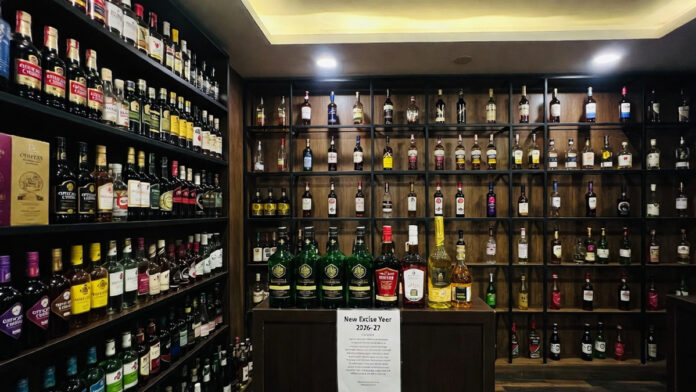
Liquor could become more expensive in the national capital from April 1 after the Delhi government approved a 10% increase in annual excise license fees for the 2026–27 financial year.
The revised rates will apply to multiple license categories, including hotels, clubs, and restaurants, under the upcoming excise period beginning April 1, 2026, and ending March 31, 2027.
10% Increase Across Key License Categories
The Excise, Entertainment, and Luxury Tax Department of the Delhi government issued an order revising annual license fees for both Indian and foreign liquor categories.
Following approval from the competent authority, renewal of licenses under the L-28/L-28F and L-29/L-29F categories has been cleared for the new excise cycle.
Officials indicated that the 10% hike in license fees could translate into higher retail prices for consumers, although final pricing decisions will depend on vendors and market dynamics.
Renewal Through E-Excise Portal Mandatory
All license holders must apply for renewal online through the official e-excise portal using their AXD ID credentials.
The department has also outlined strict payment timelines:
By February 28: Only the base license fee is payable.
March 1 to March 31: A 25% additional surcharge will apply.
After April 1: A 100% penalty surcharge will be imposed.
Authorities have warned that failure to pay within the prescribed timeline could result in suspension of transport permits or other regulatory action.
Possible Market Impact
While the government has not officially announced a retail price revision, industry observers suggest that increased licensing costs often influence pricing structures in hotels, clubs, restaurants, and standalone outlets.
The move comes as part of the routine annual restructuring of excise policies ahead of the new fiscal year.