New Delhi, India | January 31, 2026
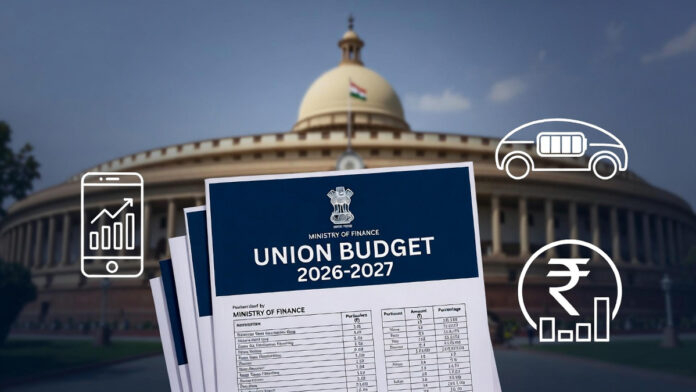
As India prepares for the Union Budget 2026, two sectors—automobiles and education—are drawing heightened attention from industry leaders, economists, and policy experts. Based on stakeholder submissions and sectoral recommendations, the budget is expected to prioritize green mobility, domestic manufacturing, digital learning, and skills development.
Note: The following are expectations and proposals based on expert and industry inputs. Official announcements will be made during the budget presentation.
1) Automobile Sector: Green Mobility Takes Center Stage
The auto industry is pinning hopes on policy continuity and fresh incentives aligned with green energy and Make in India goals.
Electric Vehicles (EVs): FAME-III in Focus
Automakers are expecting the launch of FAME-III (Faster Adoption and Manufacturing of Electric Vehicles). If announced, it could extend subsidies for electric cars and two-wheelers, helping reduce upfront costs and accelerate adoption.
GST Relief for Hybrids
There is a strong demand to reduce GST on hybrid vehicles from 28% to 12%. If accepted, popular models like Toyota Hyryder and Honda City Hybrid could see meaningful price cuts, making hybrids a practical bridge toward full electrification.
Vehicle Scrappage Policy Boost
Industry bodies are seeking enhanced incentives under the scrappage policy to encourage owners to scrap old vehicles in exchange for benefits on new purchases—potentially lifting demand and lowering emissions.
2) Education Sector: Access, Affordability, and Skills
Education is expected to see reforms centered on digital access, research funding, and student affordability.
Higher Spending Under NEP
Aligned with the National Education Policy, the government may aim to move education spending toward 6% of GDP, improving infrastructure across public schools and colleges.
GST Relief for EdTech and Coaching
Currently, many educational services and commercial coaching attract 18% GST. EdTech companies and student groups are urging a cut to 5% or zero GST, which could make online learning more affordable.
Education Loans and Scholarships
Students financing higher education may get relief through lower interest rates, expanded scholarships, or enhancements to schemes like PM Vidyalakshmi Scheme.
Additionally, per University Grants Commission guidelines, separate allocations for research and innovation could be announced to strengthen academia–industry collaboration.
Bottom Line
Automobiles: Likely to tilt toward clean energy and domestic manufacturing (EV subsidies, hybrid GST relief, scrappage incentives).
Education: Expected to focus on accessibility and affordability (higher spending, GST relief for learning services, student finance support).
All eyes are now on Budget Day for confirmation of these measures and their timelines.