
GENEVA, Switzerland — February 26, 2026
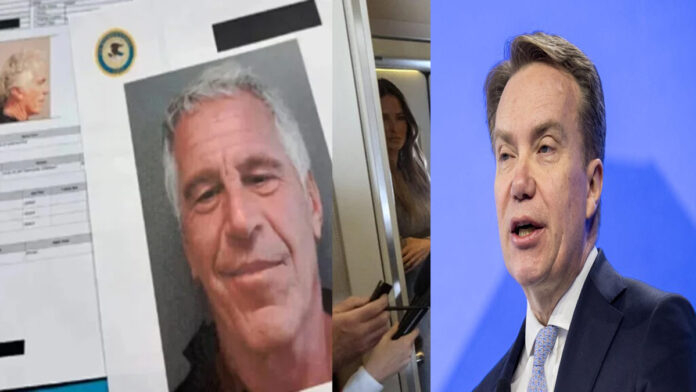
Børge Brende, President and CEO of the World Economic Forum (WEF), has resigned following heightened scrutiny over his past contacts with convicted sex offender Jeffrey Epstein, placing the global organization under renewed reputational pressure.
The Geneva-based institution confirmed Thursday that an independent legal review into Brende’s prior interactions with Epstein has concluded. While investigators found no new concerns beyond information already publicly disclosed, the controversy has intensified debate about leadership accountability at one of the world’s most influential policy forums.
Scrutiny Rekindled by Justice Department Records
Documents previously released by the U.S. Department of Justice revealed that Brende attended three business dinners with Epstein and exchanged emails and text messages with him. The disclosures resurfaced amid broader renewed attention to Epstein’s extensive network of global political and business contacts.
Although no wrongdoing was alleged in the review’s findings, critics argue that even limited professional engagement with Epstein — who pleaded guilty to sex offenses and later died in federal custody in 2019 — raises ethical and reputational concerns for leaders of major international institutions.
Independent Review Finds No New Misconduct
In a joint statement, WEF Co-Chairs André Hoffmann and Larry Fink confirmed that outside legal counsel completed the review and did not identify additional issues beyond those already in the public domain.
“The independent assessment found no further concerns,” the organization said, emphasizing that the review was initiated to ensure transparency and protect institutional credibility.
Brende Steps Aside
Brende, who has led the World Economic Forum since 2017, described his more than eight-year tenure as “highly rewarding.” He said his decision to step down was intended to allow the organization to continue its work without distraction. His statement did not reference Epstein directly.
Under his leadership, the WEF expanded its global initiatives and reinforced its role as host of the annual Davos summit, where heads of state, CEOs, and civil society leaders gather to discuss economic, geopolitical, and climate challenges.
However, the Epstein association — even if limited — placed the organization under intensified public and media scrutiny at a time when global institutions face growing demands for transparency and ethical clarity.
Interim Leadership and Transition
Alois Zwinggi will assume the role of interim President and CEO effective immediately. The WEF Board of Trustees has launched a formal process to appoint a permanent successor and will oversee the leadership transition.
Broader Reputational Impact
The controversy underscores the long shadow cast by Epstein’s connections across elite financial and political circles. For organizations like the World Economic Forum, whose credibility relies heavily on global trust and convening power, even historical associations can trigger reputational risk.
Brende’s resignation marks a significant leadership shift for the Geneva-based forum as it navigates both expanding global influence and heightened scrutiny over governance standards.