
UNITED NATIONS, New York | July 1, 2026
UN Budget Rules Reform Approved to Improve Financial Stability and Resource Management
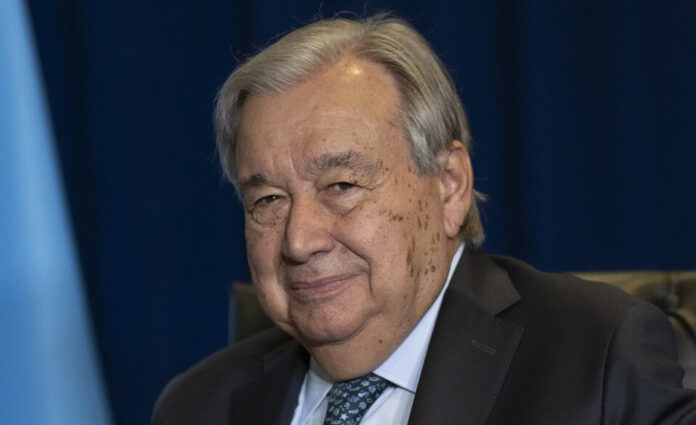
UN Budget Rules Reform received a significant boost after the United Nations General Assembly approved changes to the organization’s financial regulations governing unused budget allocations. UN Secretary-General Antonio Guterres welcomed the decision, calling it an important step toward strengthening the financial stability and operational effectiveness of the United Nations.
The reform introduces a four-year pilot mechanism that changes how unused budget funds are credited back to member states, ensuring reimbursements are made only when actual cash is available rather than based on accounting allocations alone.
Venezuela Earthquake Death Toll Rises to 1,943 as Fresh Aftershock Shakes Caracas and La Guaira
General Assembly Approves Four-Year Pilot Framework
In a statement issued following the vote, Guterres praised member states for adopting a new financial approach designed to improve the organization’s fiscal management.
The Secretary-General said the General Assembly had agreed to amend financial rules that had posed long-term risks to the UN’s financial stability.
Under the newly approved four-year trial arrangement, unused budgetary funds will be returned to member states only when sufficient cash is available, replacing the previous system that required credits regardless of actual liquidity.
Previous Rules Created Financial Challenges
Under the earlier financial regulations, the United Nations was required to credit member states for unused appropriations at the end of each budget cycle, including amounts that had not yet been collected through assessed contributions.
According to UN officials, this accounting requirement sometimes created cash flow challenges because the organization was obligated to recognize credits even when the corresponding funds had not actually been received.
The General Assembly’s latest decision is intended to address that structural issue while strengthening overall financial management.
Greater Predictability for UN Operations
Guterres said the revised framework would enable the United Nations to manage its resources more responsibly and predictably.
He noted that the reform would particularly benefit:
- The UN regular budget
- Peacekeeping operations
- Financial planning
- Resource allocation
- Operational continuity
According to the Secretary-General, improved budget management will allow the organization to implement mandates approved by member states more effectively.
Long-Standing Reform Sought by Guterres
The Secretary-General emphasized that he had advocated for these financial changes since the beginning of his tenure.
He described the General Assembly’s decision as an important milestone that will help ensure uninterrupted operations across the UN system, particularly in peacekeeping missions that depend on reliable funding.
Guterres expressed appreciation to member states for supporting what he called a necessary institutional reform.
Benefits Extend Beyond Current Administration
Guterres also noted that the reform would benefit future UN leadership after his term concludes later this year.
He said the new financial rules would prevent future Secretaries-General from facing situations in which they are required to return funds that were never actually received.
According to Guterres, the revised mechanism creates a more realistic and sustainable framework for managing the organization’s finances.
Support for Peacekeeping and Core UN Functions
The reform is expected to strengthen financial planning for some of the United Nations’ most critical activities, including peacekeeping missions and core administrative operations.
By aligning financial credits with available cash resources, the organization aims to improve liquidity while reducing budgetary uncertainty.
Officials believe the revised system will help ensure that essential UN operations continue without unnecessary financial disruptions.
Secretary-General Thanks Member States
Guterres thanked member states that have fully paid their assessed contributions to the United Nations.
He also renewed his appeal for all UN members to fulfill their financial obligations under the UN Charter, emphasizing that timely contributions remain essential for maintaining the organization’s global operations.
The Secretary-General said consistent financial support from member states is critical to enabling the UN to carry out its mandates effectively.
Financial Reform Reflects Broader Governance Efforts
The decision represents part of broader efforts to modernize the United Nations’ financial governance and improve institutional resilience.
As the organization continues to respond to global humanitarian crises, peacekeeping responsibilities, sustainable development initiatives, and international security challenges, stronger financial management is increasingly viewed as essential to maintaining operational effectiveness.
The four-year pilot program will allow member states to assess the effectiveness of the revised funding mechanism before determining whether it should become a permanent part of the UN’s financial regulations.
Outlook
The UN Budget Rules Reform marks a significant step toward improving the financial sustainability of the United Nations. By approving a new mechanism for managing unused budget allocations, the UN General Assembly has addressed a long-standing structural issue that affected the organization’s cash flow and financial planning.
With Secretary-General Antonio Guterres welcoming the decision as a major institutional achievement, the reform is expected to enhance budget predictability, strengthen peacekeeping operations, and provide future UN leadership with a more stable financial framework for carrying out the organization’s global mandate.











[…] UN Budget Rules Reform Approved as Guterres Welcomes Financial Overhaul by General Assembly […]
[…] UN Budget Rules Reform Approved as Guterres Welcomes Financial Overhaul by General Assembly […]
Comments are closed.