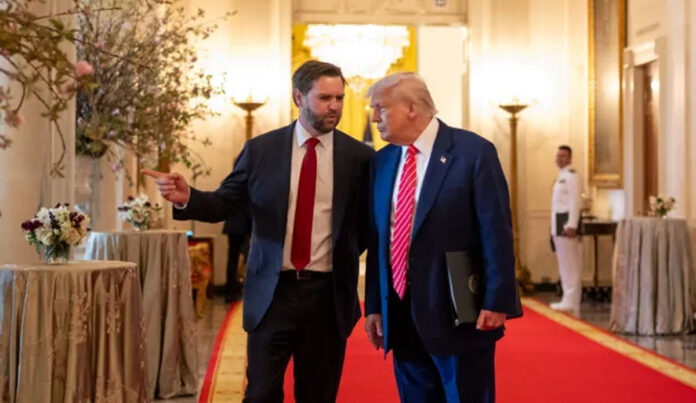
WASHINGTON, D.C. — June 21, 2026
JD Vance Switzerland Visit is expected to play a key role in ongoing diplomatic efforts between the United States and Iran, with the U.S. vice president expressing hope that upcoming discussions will advance negotiations over Tehran’s nuclear program and help preserve the fragile ceasefire in Lebanon.
The high-level talks come at a sensitive moment for the Middle East, where renewed violence and geopolitical tensions continue to challenge broader international efforts aimed at restoring stability.
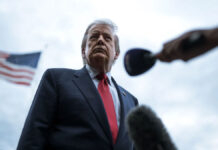
Speaking to reporters before departing from Joint Base Andrews, Vice President JD Vance said he believes Iranian negotiators have already arrived in Switzerland and indicated that discussions could continue for several days.
Vance Seeks Progress on Nuclear Negotiations
Before boarding his aircraft, Vance outlined Washington’s priorities for the talks, emphasizing the importance of making progress on Iran’s nuclear program.
“I think we will hopefully make progress on the nuclear issue and move forward on the Lebanon ceasefire issue. Those are the two major matters we need to focus on,” Vance told reporters.
He added that Iranian representatives would likely bring their own concerns and priorities to the negotiating table, highlighting the complexity of the diplomatic process.
The vice president said the discussions would focus on establishing a framework that could support future rounds of negotiations.
Talks Expected Near Lucerne
According to U.S. officials, the meetings are expected to take place near the Swiss city of Lucerne, where diplomatic efforts have intensified in recent days.
Vance and Second Lady Usha Vance departed aboard a Gulfstream C-37 aircraft. A spokesperson explained that the smaller aircraft was used because it was available more quickly than the vice president’s standard travel aircraft.
The Switzerland talks are expected to follow weeks of technical-level discussions involving negotiators from multiple parties.
Vance noted that technical experts have already been engaged behind the scenes to prepare for substantive discussions.
Building a Framework for Future Diplomacy
The vice president stressed that one of his primary objectives is to establish the structure necessary for sustained diplomatic engagement.
“I think the first priority is getting everything set up correctly and putting the negotiations into the right framework,” he said.
Vance acknowledged that his own stay in Switzerland may be brief but emphasized the importance of creating conditions for continued dialogue.
Diplomatic observers view the upcoming meetings as an opportunity to revive momentum on several key issues that have faced repeated delays amid regional instability.
Lebanon Ceasefire Remains a Major Challenge
Alongside the nuclear discussions, maintaining the ceasefire in Lebanon remains a central concern for Washington.
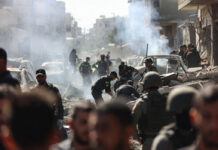
Recent fighting between Israel and Hezbollah has repeatedly complicated diplomatic efforts, raising concerns about the potential for broader regional escalation.
Despite ongoing challenges, Vance expressed cautious optimism regarding developments on the ground.
“Despite some of the headlines, conditions are actually improving and things are slowing down somewhat,” he said.
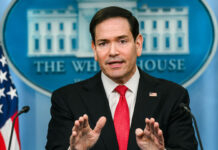
The vice president credited U.S. Secretary of State Marco Rubio and the broader diplomatic team for managing a difficult and evolving situation.
Preventing Escalation in the Region
Vance acknowledged that preserving the ceasefire remains an ongoing challenge.
He described the situation as one in which isolated incidents can quickly trigger retaliatory responses, potentially threatening broader stability.
“The challenge is that one side fires, another side responds, and then you face a cycle that becomes difficult to stop,” he explained.
According to Vance, the primary objective is to keep hostilities contained long enough for diplomatic efforts to take hold.
The broader goal, he said, is to ensure security for both Israel and Lebanon while preventing further deterioration in regional stability.
Technical and Political Issues Expected to Dominate Talks
Diplomatic sources expect discussions in Switzerland to focus on both technical and political aspects of the U.S.-Iran relationship.
Topics likely to receive significant attention include:
- Iran’s nuclear program
- Future diplomatic engagement
- Regional security concerns
- Implementation of confidence-building measures
- Stability in Lebanon
Analysts believe progress on any of these fronts could have broader implications for Middle East diplomacy and international security.
International Attention Focused on Switzerland
The Switzerland meetings are being closely watched by governments and diplomatic observers worldwide.
With tensions continuing across several parts of the Middle East, the outcome of the discussions could influence future negotiations, regional security arrangements, and efforts to reduce the risk of wider conflict.
For now, both the Iran nuclear issue and the Lebanon ceasefire remain at the center of U.S. diplomatic efforts, with Vice President Vance signaling that meaningful progress on both fronts is a top priority.