Beirut, Lebanon | June 20, 2026
Israel Lebanon Strikes Threaten US-Iran Diplomatic Progress as continued military operations in southern Lebanon have intensified concerns about the durability of ongoing diplomatic efforts aimed at reducing tensions across the Middle East.
The latest developments come as the United States and Iran prepare for a new phase of diplomatic engagement following recent efforts to reduce hostilities in the region. However, fresh Israeli military actions in Lebanon have raised questions about whether broader stability can be achieved while conflict continues on multiple fronts.
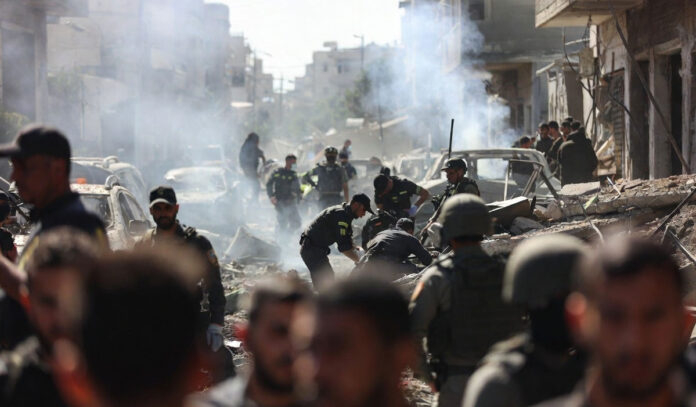
According to Lebanese authorities, at least five people, including a soldier, were killed in recent Israeli attacks in southern Lebanon. Additional casualties were reported as military operations and cross-border tensions persisted.
US Envoy Heads to Switzerland for New Diplomatic Discussions
Amid the escalating situation, U.S. President Donald Trump’s Special Envoy Steve Witkoff has reportedly traveled to Switzerland as preparations intensify for a new round of discussions involving Washington and Tehran.
Diplomatic sources cited by media reports indicated that recent efforts to reduce hostilities have created momentum for renewed negotiations between the United States and Iran.
The talks are expected to focus on regional stability, sanctions-related issues, security concerns, and mechanisms designed to prevent further escalation in the Middle East.
Analysts believe the upcoming discussions could play a significant role in determining the future trajectory of U.S.-Iran relations.
Experts Say Agreement Faces Major Test
Regional experts argue that the current diplomatic process represents a crucial test for the Trump administration.
According to analysts, the success of any broader understanding between Washington and Tehran may depend on whether the United States can maintain stability across multiple conflict zones while pursuing diplomatic engagement.
Ali Vaez, Director of the Iran Project at the International Crisis Group, said the sustainability of the diplomatic process could be questioned if military activity continues despite efforts to reduce tensions.
Analysts note that ongoing violence risks undermining confidence in diplomatic initiatives and could complicate efforts to achieve long-term regional stability.
Continued Strikes Raise Regional Concerns
Reports indicate that Israeli military operations continued in southern Lebanon despite efforts by international mediators to contain the conflict.
Local authorities reported multiple airstrikes and artillery attacks following a recently announced ceasefire framework involving regional stakeholders.
Lebanon’s Health Ministry reported significant casualties from the latest wave of violence, with dozens of deaths and injuries recorded over a 24-hour period.
The continuation of military operations has fueled concerns among diplomats that broader regional tensions could spill over into ongoing negotiations involving major international actors.
Qatar, US, and Iran Reportedly Involved in Mediation Efforts
According to diplomatic sources cited by regional media, Qatar, the United States, and Iran have been involved in efforts aimed at preventing further escalation.
The reported mediation efforts seek to reduce violence and ensure that regional conflicts do not derail wider diplomatic initiatives.
Officials familiar with the discussions indicated that reducing tensions in Lebanon is viewed as an important component of maintaining momentum in broader regional negotiations.
While no formal agreement details have been publicly released, diplomatic engagement among regional and international actors continues.
Norway Moves Toward Restrictions on Settlement Trade
Separately, Norway announced a public consultation process regarding proposed legislation that would restrict trade involving Israeli settlements located in occupied Palestinian territories.
According to Norway’s Foreign Ministry, the proposal would prohibit imports of goods produced in those settlements and restrict exports, investments, and certain commercial activities linked to settlement-based businesses.
Norwegian Foreign Minister Espen Barth Eide stated that the proposal is rooted in Norway’s interpretation of international law and its support for a two-state solution.
The government said public feedback will be accepted until September 19 before lawmakers decide whether to advance the legislation in Parliament.
Middle East Stability Remains Fragile
The latest developments underscore the complexity of the geopolitical landscape facing policymakers across the Middle East.
While diplomatic channels between Washington and Tehran appear to remain active, ongoing military operations in Lebanon and broader regional tensions continue to pose significant challenges.
Observers say the coming weeks will be critical in determining whether diplomatic efforts can translate into lasting de-escalation or whether renewed violence will further complicate already fragile negotiations.
As international mediators continue their efforts, regional governments and global powers remain focused on preventing a wider conflict that could threaten security, economic stability, and diplomatic progress across the region.