NEW DELHI, India — June 16, 2026
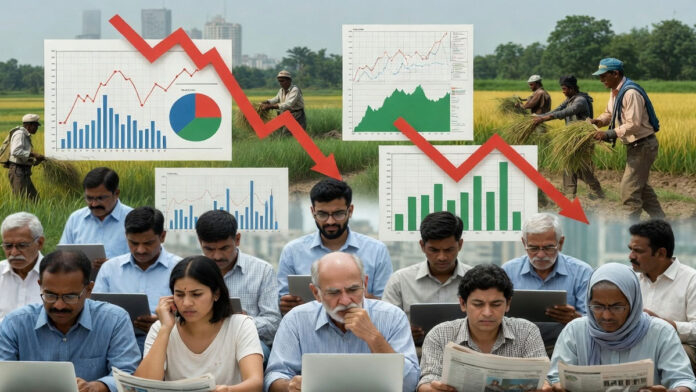
India Unemployment Rate May 2026 increased to 5.5%, up from 5.2% in April, according to the latest Periodic Labour Force Survey (PLFS) released by the Ministry of Statistics and Programme Implementation (MoSPI). The rise marks the fourth consecutive monthly increase in unemployment and pushes the rate to its highest level in nearly a year.
The latest government data highlights growing pressure on India’s labor market, particularly in rural areas, where seasonal factors and slowing employment opportunities contributed to the increase in joblessness.
While urban employment conditions showed modest improvement, a sharp rise in rural unemployment offset those gains, resulting in an overall increase in the national unemployment rate.
Rural India Drives the Increase
According to the PLFS report, rural unemployment rose significantly during May.
- Rural Unemployment (April): 4.6%
- Rural Unemployment (May): 5.1%
The latest figure represents the highest rural unemployment rate recorded in the past 12 months.
Economists attribute much of the increase to the seasonal pause between agricultural cycles, a period when farming-related employment opportunities typically decline. As agricultural activity slows temporarily, many rural workers struggle to find alternative sources of income, leading to a rise in unemployment.
The data suggests that seasonal employment patterns continue to play a major role in shaping labor market outcomes across rural India.
Urban Employment Shows Improvement
In contrast, urban labor market conditions improved slightly during May.
- Urban Unemployment (April): 6.6%
- Urban Unemployment (May): 6.4%
The decline brings urban unemployment to its lowest level in the past year, indicating relatively stronger hiring activity in cities compared with rural regions.
Industry experts believe sectors such as services, retail, information technology, and financial services have continued to support employment growth in urban centers despite broader economic uncertainties.
However, analysts caution that urban unemployment remains above rural levels and continues to present challenges for policymakers.
Women Continue to Face Higher Joblessness in Cities
The report also highlights notable differences between male and female unemployment rates.
In urban India:
- Female Unemployment Rate: 8.2%
- Male Unemployment Rate: 5.9%
The data shows that women in urban areas continue to face greater difficulties in securing employment opportunities compared with men.
In rural India:
- Male Unemployment Rate: 5.2%
- Female Unemployment Rate: 4.7%
While rural gender disparities appear less pronounced, labor force participation among women remains an important structural issue for India’s employment landscape.
Labour Market Faces Multiple Challenges
Experts point to several factors contributing to the recent rise in unemployment.
One concern is the slight decline in the Labour Force Participation Rate (LFPR), which measures the proportion of people either working or actively seeking employment. A reduction in labor force participation may indicate weaker confidence in job availability and softer labor market conditions.
At the same time, broader economic challenges continue to affect hiring decisions across industries.
Rising retail inflation, increased business operating costs, and volatility in global energy markets have created uncertainties for businesses. Higher fuel prices and input costs can affect profitability, causing companies to adopt a more cautious approach toward recruitment and expansion.
Impact of Inflation and Economic Conditions
The latest unemployment data comes shortly after India’s retail inflation rose to 3.93% in May. Although inflation remains within the Reserve Bank of India’s target range, higher prices can reduce household purchasing power and affect consumer demand.
When consumer spending slows, businesses often become more cautious about adding new workers, which can further influence labor market trends.
Economists say the combination of rising inflation and increasing unemployment will be closely monitored by policymakers in the coming months.
What It Means for the Economy
Despite the increase in unemployment, India’s labor market continues to show resilience in several sectors. Strong infrastructure spending, digital economy growth, manufacturing investments, and government-led development programs continue to create employment opportunities.
However, the latest PLFS figures suggest that rural employment remains a key area of concern. Sustained improvements in agricultural productivity, rural infrastructure, and non-farm employment opportunities may be critical to stabilizing labor market conditions.
As policymakers assess economic trends ahead of future fiscal and monetary decisions, employment data will remain one of the most closely watched indicators of India’s economic health.
For now, the rise in unemployment to 5.5% serves as a reminder that while economic growth remains robust, challenges persist in ensuring broad-based job creation across both urban and rural India.