Beirut, Lebanon – June 11, 2026
Israel-Lebanon Border Conflict has intensified once again after at least 18 people were reported killed and several others injured in southern Lebanon amid ongoing exchanges of fire between Israeli forces and Hezbollah.
According to Lebanese civil defense and health officials, the latest violence marks one of the deadliest escalations since the fragile ceasefire that followed months of hostilities earlier this year. The renewed clashes have raised concerns about the potential for a broader regional confrontation as diplomatic efforts struggle to contain tensions.
Deadliest Attack Reported in Tyre Debba
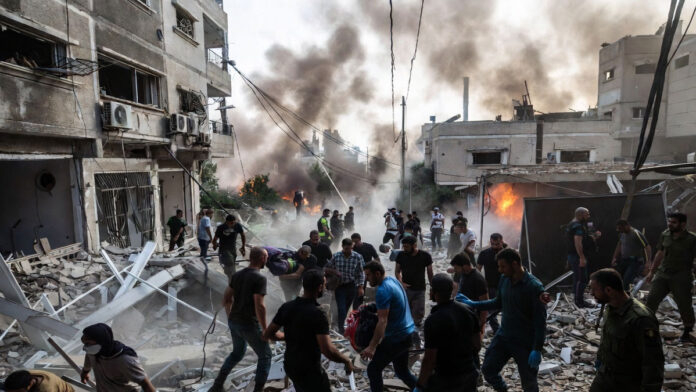
The most severe incident was reported in the town of Tyre Debba in southern Lebanon.
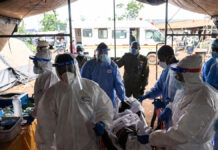
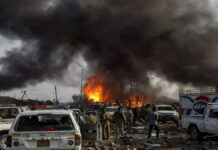
According to initial reports cited by Lebanon’s National News Agency, at least nine people were killed and seven others injured in an attack on the area. Emergency response teams were deployed to assist victims and assess the extent of the damage.
Local authorities continued search and rescue operations as officials worked to determine the full casualty toll.
The latest deaths add to the growing humanitarian impact of the conflict, which has already displaced communities and damaged civilian infrastructure across parts of southern Lebanon.
Hezbollah Claims Attacks on Israeli Forces
Hezbollah announced on Wednesday that it had carried out attacks against Israeli troops and military vehicles operating in the southern Lebanese areas of Qantara and Bayada.
The Iran-backed group said its fighters targeted Israeli military positions as part of ongoing operations along the border region.
Hezbollah has maintained that its military actions are aimed at confronting Israeli military activity inside Lebanese territory and along the frontier.
The group continues to play a central role in the conflict, with its operations frequently triggering retaliatory strikes by Israeli forces.
Israeli Military Reports Strikes on Hezbollah Positions
The Israeli military stated that it conducted operations against Hezbollah positions in Tyre and several other locations across southern Lebanon during the past 24 hours.
According to the Israel Defense Forces (IDF), the strikes targeted Hezbollah infrastructure, weapons facilities, and operational sites.
Israeli officials also claimed that several Hezbollah fighters were killed during the operations.
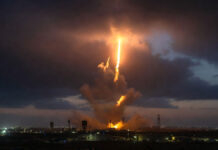
In addition, the military reported intercepting a drone launched toward Israeli troops operating in southern Lebanon. The drone was reportedly neutralized before reaching its intended target.
Israel has consistently stated that its operations are aimed at preventing Hezbollah from strengthening its military capabilities near the border.
Lebanese President Calls for Diplomacy
Amid the escalating violence, Joseph Aoun renewed calls for diplomacy and peaceful resolution.
In a statement issued Wednesday, the Lebanese president said he would continue diplomatic efforts “until the end” and expressed confidence that negotiations remain the most effective path toward restoring Lebanon’s sovereignty.
Aoun emphasized that war benefits no one and only results in suffering and destruction.
He called for an immediate end to Israeli military operations, the withdrawal of Israeli forces, and an end to foreign interference in Lebanon’s internal affairs.
His remarks reflect growing concerns within Lebanon about the long-term consequences of continued military escalation.
Netanyahu Appeals Directly to Lebanese Citizens
Israeli Prime Minister Benjamin Netanyahu issued a video message directed at the Lebanese public on Wednesday.
In the message, Netanyahu urged Lebanese citizens to support Israel’s efforts against Hezbollah, arguing that the militant group is responsible for destabilizing the country and contributing to regional tensions.
The Israeli leader claimed that Israeli military operations have significantly weakened Hezbollah’s capabilities.
Netanyahu stated that approximately 10,000 Hezbollah fighters had been eliminated during the conflict, though independent verification of that figure was not immediately available.
He also warned that Israel would continue pursuing Hezbollah operatives wherever they are located.
Conflict Persists Despite Earlier Ceasefire
The latest escalation comes months after a ceasefire agreement was reached between Israel and Lebanon in mid-April.
While the truce temporarily reduced large-scale hostilities, tensions have remained high along the border.
Israeli forces have continued conducting strikes inside Lebanon, saying they are targeting Hezbollah positions, weapons stockpiles, and military infrastructure.
At the same time, Hezbollah has maintained attacks against Israeli military targets, leading to recurring exchanges of fire.
Analysts warn that the fragile ceasefire framework remains vulnerable to collapse if hostilities continue to intensify.
Regional Tensions Remain Elevated
The current violence follows a brief period of heightened tensions involving Israel and Iran that began after Israeli airstrikes in Beirut earlier this week.
Regional observers fear that overlapping conflicts involving Israel, Hezbollah, Iran, and other actors could further destabilize the Middle East.
International diplomatic efforts are continuing behind the scenes as governments seek to prevent a broader regional war.
The situation remains highly fluid, with military activity, political statements, and security developments unfolding rapidly across multiple fronts.
Humanitarian Toll Continues to Grow
According to figures released by Lebanon’s Public Health Emergency Operations Center, Israeli military operations since March 2 have resulted in 3,696 deaths and 11,413 injuries across Lebanon.
The growing casualty count highlights the severe humanitarian impact of the conflict and underscores the urgent need for de-escalation efforts.
Healthcare facilities, emergency responders, and humanitarian organizations continue to face mounting pressure as they provide assistance to affected communities.
Uncertain Path Ahead
As the Israel-Lebanon Border Conflict continues to evolve, both military and diplomatic developments are likely to shape the next phase of the crisis.
With casualties rising, infrastructure suffering damage, and regional tensions remaining elevated, international attention is increasingly focused on efforts to prevent further escalation.
For now, the conflict remains one of the most significant security challenges in the Middle East, with both sides showing little indication of backing down despite growing calls for restraint and renewed diplomacy.
Source: Statements from Lebanese civil defense and health authorities, Lebanon’s National News Agency (NNA), Hezbollah announcements, Israeli military updates, and remarks by Lebanese President Joseph Aoun and Israeli Prime Minister Benjamin Netanyahu