Kinshasa, Democratic Republic of Congo – June 11, 2026
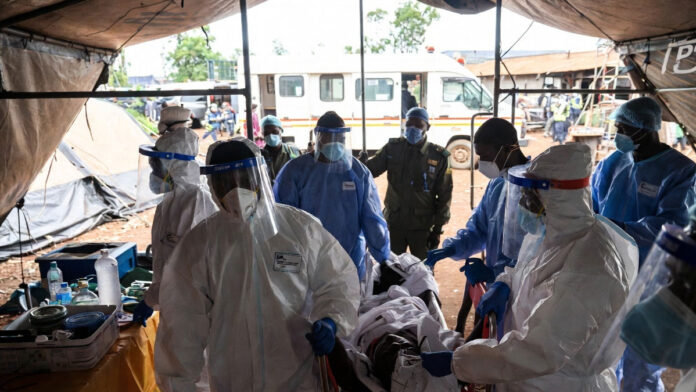
DR Congo Ebola Outbreak cases have increased to 635, according to the country’s Health Minister, as authorities continue to battle the spread of the highly infectious virus while reporting encouraging signs of improvement in patient recovery and contact monitoring efforts.
Health Minister Roger Kamba announced the latest figures through a statement posted on social media platform X, providing an update on the outbreak caused by the Bundibugyo strain of the Ebola virus.
While the outbreak remains a significant public health challenge, officials say progress is being made through intensified surveillance, improved treatment efforts, and stronger coordination among healthcare teams operating in affected provinces.
Ebola Cases Continue to Rise Across Affected Areas
According to the latest update from the Ministry of Health, the number of confirmed and suspected Ebola cases has now reached 635.
The outbreak, linked to the Bundibugyo Ebola virus strain, continues to pose serious risks to communities across several regions of the country. Health authorities have been working to contain transmission through rapid identification of cases, isolation measures, and enhanced contact tracing operations.
Despite the increase in overall case numbers, officials report that monitoring systems are becoming more effective, enabling faster responses to potential infections.
The government has emphasized that controlling the outbreak remains a top national priority.
Contact Tracing Efforts Show Improvement
One of the most encouraging developments in the response effort has been the improvement in contact tracing.
Minister Kamba reported that the percentage of identified contacts currently under active monitoring has increased to 61.1 percent, up from 56.4 percent recorded the previous day.
Health experts consider contact tracing a critical component of Ebola outbreak management because it helps identify individuals who may have been exposed to the virus before symptoms appear.
The minister stated that health authorities are maintaining surveillance across all affected regions and closely tracking every suspected case to prevent further spread.
Improved monitoring capacity is expected to strengthen containment efforts and reduce the risk of community transmission.
Recovery Numbers Continue to Increase
Officials also reported positive news regarding patient recoveries.
Eight additional patients have successfully recovered from the disease, including seven individuals from Nyankunde and one from the Mongbwalu area.
The latest recoveries bring the total number of patients discharged after treatment to 30.
Health authorities say the growing number of survivors demonstrates the importance of early diagnosis and prompt medical intervention.
Kamba urged people experiencing symptoms or potential exposure to seek treatment immediately rather than delaying care.
According to the minister, each successful recovery sends a powerful message that timely medical treatment can significantly improve outcomes for infected individuals.
Government Expands Medical Support Operations
To strengthen response efforts, the government has significantly increased the deployment of medical supplies and healthcare resources.
Authorities have already delivered approximately 490 tons of medicines and medical equipment to affected regions.
Laboratory capabilities have also been enhanced to improve testing capacity and accelerate case confirmation procedures.
Healthcare teams continue operating across key outbreak zones, including the provinces of Ituri, North Kivu, and South Kivu, where surveillance and treatment activities remain ongoing.
The expansion of logistical support is intended to improve healthcare access and ensure rapid response to emerging cases.
WHO Declared International Public Health Emergency
The Democratic Republic of Congo officially announced the Ebola outbreak on May 15.
Just two days later, on May 17, the World Health Organization designated the outbreak as a Public Health Emergency of International Concern, reflecting growing concerns about the potential for wider spread.
The declaration mobilized international support and increased coordination among global health agencies, humanitarian organizations, and regional partners.
Public health officials continue to monitor developments closely while working to prevent cross-border transmission.
Africa CDC Warns of Operational Challenges
Despite ongoing progress, response efforts continue to face significant obstacles.
The Africa Centres for Disease Control and Prevention has warned that humanitarian and medical operations are being hampered by multiple logistical and infrastructure challenges.
According to the agency, several healthcare facilities continue to struggle with shortages of clean water, protective equipment, medicines, and essential medical resources.
These limitations place additional pressure on frontline healthcare workers and may affect the speed and effectiveness of containment efforts.
Security and Infrastructure Problems Slow Response
Africa CDC has also identified security concerns and transportation challenges as major barriers to effective outbreak management.
In some affected regions, insecurity has complicated access for medical teams and delayed emergency interventions.
The shortage of ambulances, poor road conditions, and delays in salary payments for healthcare workers have further slowed operations.
Public health officials also highlighted another major challenge: declining public trust in healthcare systems.
Community skepticism and misinformation can discourage individuals from reporting symptoms or cooperating with health authorities, increasing the risk of continued transmission.
Calls for Greater Community Engagement
To address these concerns, Africa CDC is urging governments and health agencies to intensify community outreach efforts.
The organization has emphasized the need for stronger public awareness campaigns, rapid deployment of medical teams to high-risk areas, enhanced infection prevention measures, and expanded monitoring of individuals who have been in contact with infected patients.
Public health experts believe community cooperation remains one of the most important factors in controlling the outbreak and preventing further spread.
Fight Against Ebola Continues
The rising case count highlights the ongoing severity of the DR Congo Ebola Outbreak, even as recovery rates improve and surveillance efforts become more effective.
Health authorities remain focused on strengthening treatment capacity, expanding contact tracing operations, and ensuring that critical medical resources reach the communities most affected by the virus.
As international organizations, national authorities, and frontline healthcare workers continue their coordinated response, the coming weeks are expected to be crucial in determining whether the outbreak can be successfully contained.
For now, officials are urging vigilance, early reporting of symptoms, and continued cooperation with public health measures to help limit the spread of the disease and save lives.
Source: Statements from DR Congo Health Minister Roger Kamba and updates from the World Health Organization (WHO) and Africa CDC regarding the ongoing Ebola outbreak response.