Tehran/Washington — May 31, 2026
Iran US Conflict Deepens as Tehran Claims MQ-1 Drone Shootdown and Trump Signals No Immediate Deal
Iran US Conflict tensions escalated further on Sunday after Iran’s Islamic Revolutionary Guard Corps (IRGC) claimed it had shot down a US MQ-1 military drone that allegedly entered Iranian territorial waters during what Tehran described as a “hostile mission.”
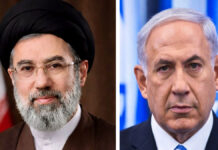
The development comes as diplomatic efforts aimed at reducing tensions between Iran, the United States, and Israel continue to face major obstacles despite weeks of behind-the-scenes negotiations involving regional mediators.
According to Iranian state media reports, the drone was detected by Iranian surveillance and air defense systems before being intercepted and destroyed. Iranian officials said the country’s territorial waters remain under full military control and warned that any future incursions would be met with a decisive response.
As of Sunday, there was no immediate public confirmation from US authorities regarding Iran’s claim.
Trump Indicates No Rush Toward a Final Agreement
The drone incident unfolded amid ongoing discussions surrounding a possible diplomatic framework between Washington and Tehran.
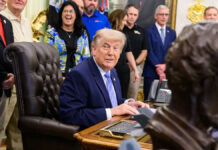
While reports suggest negotiations have continued through regional intermediaries, including efforts involving Pakistan and Gulf nations, US President Donald Trump has signaled that a final agreement remains far from certain.
Recent reports indicate that several major issues remain unresolved, including sanctions relief, Iran’s nuclear activities, maritime security in the Strait of Hormuz, and broader regional security concerns.
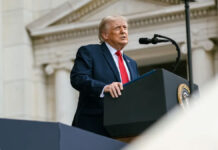
Trump has publicly maintained a firm position on Iran’s nuclear program while emphasizing that any future agreement would need to address long-standing security concerns.
Fragile Ceasefire Faces New Pressure
The latest drone controversy has added fresh uncertainty to an already fragile ceasefire environment.
Over recent weeks, both sides have accused each other of violating understandings intended to prevent further escalation. Military incidents in and around the Strait of Hormuz have repeatedly threatened to derail diplomatic progress.
US military officials have previously described recent operations in southern Iran as defensive measures aimed at protecting American forces and commercial shipping routes. Iran, however, has characterized those actions as violations of existing ceasefire arrangements.
The Strait of Hormuz remains one of the world’s most strategically important energy corridors, carrying a significant portion of global oil shipments. Any disruption in the region continues to raise concerns among international markets and governments.
Regional Mediators Continue Diplomatic Efforts
Several regional countries have reportedly intensified diplomatic outreach in an effort to prevent a broader confrontation.
Pakistan, Qatar, Oman, and other Gulf states have been linked to mediation efforts designed to reduce tensions and encourage direct or indirect dialogue between Washington and Tehran.
However, substantial disagreements remain over key issues, including future sanctions, military activities, maritime access, and nuclear oversight mechanisms.
Analysts say the latest drone incident could complicate negotiations further, particularly if additional military confrontations occur in the coming days.
Growing Security Concerns Across the Region
The broader Middle East security environment remains highly volatile.
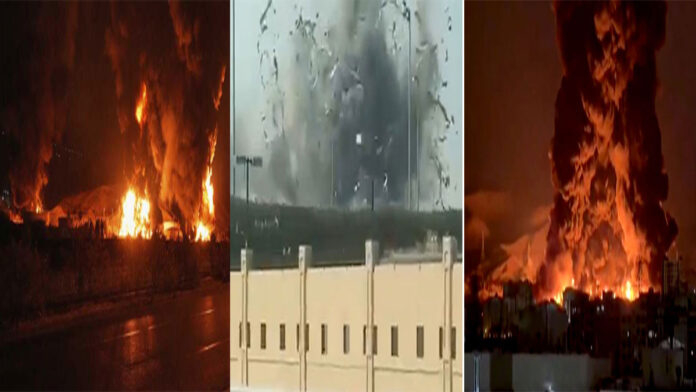
Recent military actions, missile interceptions, and drone-related incidents have increased concerns among neighboring countries about the possibility of a wider regional conflict. Several governments have called for restraint while urging all parties to prioritize diplomacy.
Defense officials in Washington have also stated that American forces remain prepared to respond if negotiations collapse or if threats to US personnel and interests intensify.
What Happens Next?
For now, uncertainty continues to dominate the situation.
Iran’s claim that it successfully shot down an American MQ-1 drone marks another flashpoint in a conflict that has already generated months of military and diplomatic tension. Whether the latest incident becomes a catalyst for further escalation or renewed negotiations may depend on the response from both Washington and Tehran in the coming days.
With diplomatic channels still active but major disagreements unresolved, international observers remain focused on developments in the Gulf region as efforts to secure a lasting agreement face another critical test.