WASHINGTON, D.C. — May 14, 2026
US Wholesale Inflation Surges to Highest Level Since 2022
Wholesale inflation in the United States accelerated sharply last month, reaching its highest level since late 2022 as rising energy costs increased pressure on businesses to pass higher prices on to consumers.
According to data released Wednesday by the United States Department of Labor, the country’s Producer Price Index (PPI) climbed 6% in April compared with the same period a year earlier.
The increase marked the strongest annual rise since December 2022 and exceeded economists’ expectations, signaling persistent inflationary pressure across the US economy.
Monthly Producer Prices Post Sharpest Jump Since 2022
The Labor Department said producer prices rose 1.4% in April from the previous month, representing the largest monthly increase since March 2022.
The Producer Price Index measures inflation at the wholesale level before costs are passed on to consumers, making it a closely watched indicator for future retail price trends.
Analysts said the latest spike was largely driven by surging energy prices linked to geopolitical instability and ongoing tensions involving Iran.
Energy Costs Drive Inflation Higher
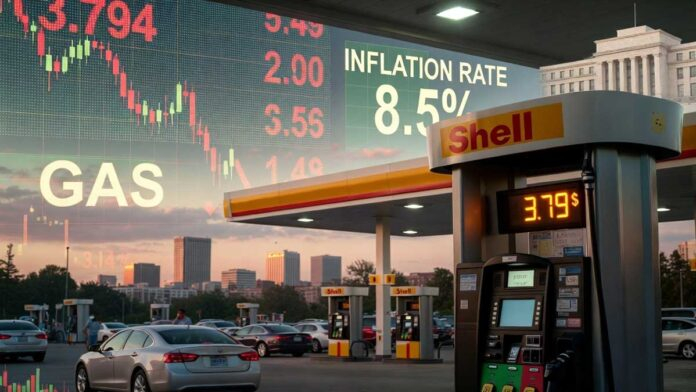
Energy prices rose 7.8% between March and April and were up 22.7% compared with a year earlier, according to the report.
Gasoline prices jumped 15.6%, while diesel prices increased 12.6%, adding significant cost pressure for manufacturers, transportation firms, and retailers.
Excluding volatile food and energy categories, core producer prices rose 1% month-over-month and 5.2% annually — also higher than market forecasts.
The stronger-than-expected inflation data has intensified concerns about the path of monetary policy at the Federal Reserve.
Inflation Could Complicate Federal Reserve Strategy
Economists say the renewed rise in wholesale inflation may complicate the Federal Reserve’s efforts to balance inflation control with economic growth.
Higher producer costs often translate into increased prices for consumers, potentially worsening the cost-of-living pressures already affecting American households.
The inflation surge also comes at a politically sensitive moment ahead of the US presidential election scheduled for November 3, where rising living expenses are expected to remain a major issue for voters.
Financial markets are now closely monitoring upcoming Federal Reserve signals for clues on future interest rate decisions as inflationary risks continue to build.