Budapest, Hungary — May 8, 2026
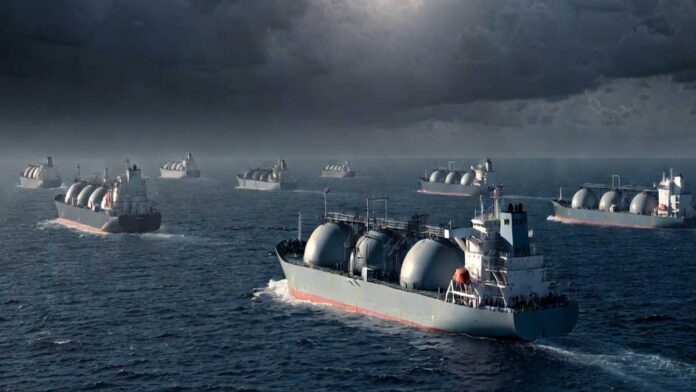
The ongoing conflict in West Asia could significantly disrupt global energy markets, with liquefied natural gas (LNG) supply expected to decline sharply over the next several years, according to a leading energy analyst.
Speaking at the Budapest LNG Summit, Gergely Molnar warned that the conflict involving Iran may reduce global LNG supply by approximately 120 billion cubic meters (bcm) between 2026 and 2030.
Conflict Reshaping Global Gas Markets
Molnar said the geopolitical tensions are already altering the medium-term outlook for global gas supply.
“This conflict is reshaping the gas market landscape, and tighter conditions may persist longer than previously expected,” he noted during the summit discussions.
The warning highlights growing concerns about energy security, particularly as demand for cleaner fuel alternatives like LNG continues to rise worldwide.
LNG Supply Crunch Could Impact Prices
A reduction of 120 bcm in LNG supply could have widespread consequences, including:
- Increased global gas prices
- Supply shortages in energy-dependent economies
- Greater competition among importing countries
Energy analysts say such a disruption could strain both developed and emerging markets, especially those heavily reliant on LNG imports.
Market Conditions Likely to Stay Tight
The outlook suggests that the global LNG market may face prolonged tightness rather than short-term volatility.
Molnar emphasized that the impact of the conflict is not limited to immediate disruptions but could extend well into the decade, affecting long-term supply planning and investment decisions.
Broader Energy Security Concerns
The warning comes amid heightened geopolitical instability in West Asia, a region critical to global energy supply chains.
Experts say continued conflict could further complicate energy logistics, disrupt shipping routes, and delay infrastructure investments, adding pressure to already strained markets.
What It Means for the Future
If the projected supply shortfall materializes, governments and energy companies may need to accelerate diversification strategies, invest in alternative energy sources, and strengthen supply chains.
The evolving situation underscores the interconnected nature of geopolitics and global energy security.