Seoul, South Korea — May 8, 2026
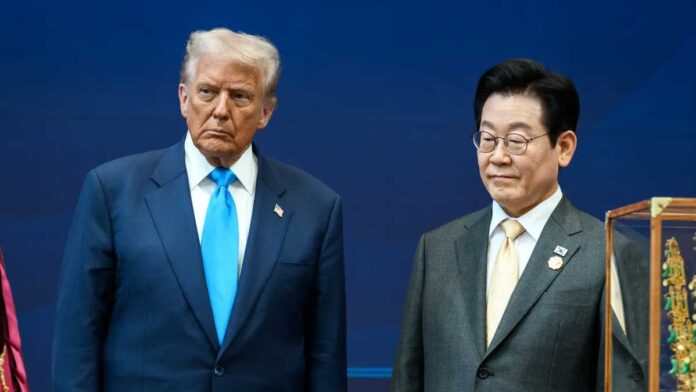
South Korea and the United States are set to hold high-level defense talks in Washington next week, with key discussions expected on wartime operational control and regional security coordination.
According to South Korea’s Defense Ministry, the upcoming meeting will address the potential transfer of wartime operational control (OPCON) from the U.S. to Seoul, along with measures related to civilian access near the heavily fortified border with North Korea.
OPCON Transfer Takes Center Stage
A major focus of the talks will be the transfer of wartime operational control—commonly referred to as OPCON—from the United States to South Korea.
Currently, in the event of war, command of South Korean forces falls under U.S. leadership. Seoul has been working toward reclaiming full operational control as part of efforts to strengthen its military autonomy.
Officials indicated that discussions will center on timelines, readiness conditions, and strategic coordination required for a smooth transition.
DMZ Access and Regional Security Also on Agenda
Another key issue expected to be discussed is the regulation of civilian access to areas near the Demilitarized Zone (DMZ), which separates North and South Korea.
The DMZ remains one of the most sensitive military zones in the world, and both sides are expected to explore measures to ensure security while managing civilian movement.
Biennial Defense Dialogue to Strengthen Alliance
The talks are part of the Korea-U.S. Integrated Defense Dialogue (KIDD), a biennial forum aimed at enhancing military cooperation between the two allies.
According to Yonhap News Agency, the South Korean delegation will be led by Deputy Defense Minister for Policy Kim Hong-kyun, while the U.S. side will be headed by Assistant Secretary of Defense for Indo-Pacific Security Affairs John Noh.
Officials said the dialogue will cover a broad range of security issues, including joint defense strategies and alliance modernization efforts.
Long-Term Goal: OPCON Transfer by 2030
The discussions come as Seoul continues to pursue the long-term goal of regaining wartime operational control within the current administration’s five-year term, which runs through 2030.
South Korean leadership views the OPCON transfer as a critical step toward enhancing national defense capabilities while maintaining a strong alliance with Washington.
Strategic Implications in Indo-Pacific
Analysts say the outcome of the talks could have broader implications for security dynamics in the Indo-Pacific region, particularly amid ongoing tensions involving North Korea.
Strengthening coordination between the U.S. and South Korea remains a key pillar of regional stability, especially as both nations navigate evolving security challenges.