Tehran, Iran — May 8, 2026
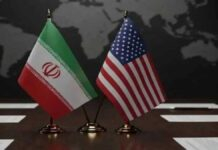
Tensions in West Asia have escalated once again after Iran accused the United States of violating an ongoing ceasefire and targeting oil tankers in strategic Gulf waters.
According to Iranian officials, the alleged incidents occurred amid fragile efforts to sustain a ceasefire that followed the conflict which began on February 28. While diplomatic channels remain active behind the scenes, the latest claims threaten to derail ongoing de-escalation efforts.
Iran Alleges Attacks on Oil Tankers and Coastal Areas
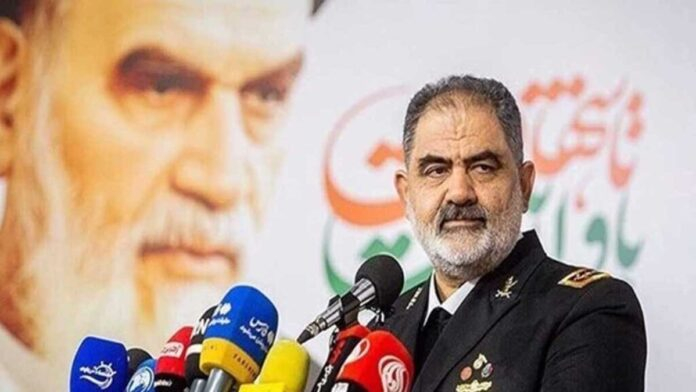
Citing statements reported by Al Jazeera, a spokesperson for Iran’s Khatam al-Anbiya Central Headquarters claimed that U.S. forces targeted an Iranian oil tanker en route from Jask toward the Strait of Hormuz.
Iran further alleged that another vessel was attacked near Fujairah Port in the United Arab Emirates.
Additionally, Iranian authorities claimed that coordinated airstrikes—allegedly involving the U.S. and regional allies—hit residential areas in locations including Khamir, Sirik, and Qeshm Island.
Iran Claims Retaliatory Strikes on U.S. Naval Assets
In response, Iran said its military launched retaliatory strikes targeting U.S. naval vessels operating east of the Strait of Hormuz and south of Chabahar Port.
Iranian officials claimed that the counterattacks inflicted “significant damage” on U.S. ships, though independent verification of these claims remains unavailable.
Tehran also issued a stern warning, stating it would respond decisively to any further military action.
Ceasefire at Risk Amid Ongoing Diplomatic Efforts
The renewed accusations come at a sensitive time, as backchannel negotiations between Washington and Tehran continue in an effort to stabilize the region.
While neither the United States nor its allies have publicly confirmed Iran’s allegations, analysts say the situation underscores the volatility of the ceasefire and the broader geopolitical stakes in the Gulf.
The Strait of Hormuz remains one of the world’s most critical oil transit routes, making any escalation in the area a matter of global concern.
Global Implications of Rising Tensions
Any disruption in the Gulf region could impact global energy markets and maritime security. With both sides exchanging strong statements, the risk of further escalation remains high unless diplomatic interventions succeed.
Observers note that clarity on the alleged incidents—and potential third-party verification—will be crucial in determining the next phase of the conflict.