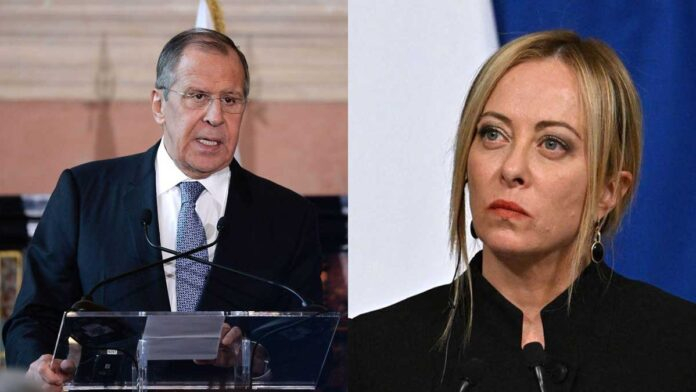
Rome, Italy — April 23, 2026
Diplomatic tensions between Italy and Russia have sharply escalated following controversial remarks made by Russian state television anchor Vladimir Solovyov targeting Italian Prime Minister Giorgia Meloni.
During a televised program, Solovyov used strongly worded language to criticize Meloni, making personal and political accusations that have drawn widespread condemnation in Italy.
⚠️ Italy Lodges Formal Diplomatic Protest
In response, Italy’s government took swift action. The Italian Foreign Ministry summoned Russia’s ambassador in Rome to formally register its protest.
Officials described the remarks as “serious and unacceptable,” emphasizing that such language directed at the country’s prime minister would not be tolerated.
Notably, political unity was visible across Italy, with opposition parties joining the government in condemning the statements.
🌍 Tensions Rooted in Ukraine Conflict
The latest controversy comes against the backdrop of already strained relations between Italy and Russia, largely driven by the ongoing Russia-Ukraine conflict.
Italy has consistently supported Ukraine with military and humanitarian aid, a stance that has drawn criticism from Moscow.
Despite leading a right-leaning coalition, Meloni has maintained a firm position against Russia, reinforcing Italy’s alignment with Western allies.
🇺🇸 Shifting Political Dynamics
Recent geopolitical developments have also highlighted evolving dynamics involving Donald Trump. While Meloni and Trump were previously seen as politically aligned, differences have emerged over international issues, including tensions linked to Iran and broader global conflicts.
These shifts have added another layer of complexity to the diplomatic landscape.
📊 Global Implications
The incident underscores how media narratives and political rhetoric can influence international relations. Analysts warn that such developments could further strain already fragile ties between Europe and Russia.
With tensions high due to the Ukraine war, this diplomatic row may have broader implications for regional stability and future negotiations.