
Brussels / Washington / Paris — April 14, 2026
A major rift has emerged within NATO as key European allies — including the United Kingdom and France — declined to join a U.S.-led naval blockade targeting Iranian ports in the Strait of Hormuz.
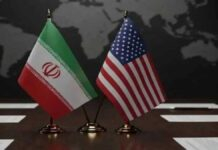
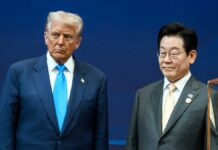
The move, ordered by Donald Trump following failed negotiations in Islamabad, has intensified geopolitical tensions and raised fresh concerns over global energy security.
NATO Split Over Hormuz Crisis


The proposed blockade targets vessels traveling to or from Iranian ports amid an ongoing six-week conflict that began on February 28, 2026. However, the decision has exposed deep divisions within the alliance.
UK and France Refuse Military Participation
UK Prime Minister Keir Starmer made it clear that Britain would not join the blockade.
“We will not be dragged into the war,” Starmer said, emphasizing that the UK supports freedom of navigation through diplomacy, not escalation.
Similarly, French President Emmanuel Macron rejected direct involvement and instead proposed a multinational maritime mission aimed at ensuring safe passage once hostilities subside.
Europe Pushes Alternative Global Mission
France’s proposal includes participation from nearly 30 countries, including:
- Gulf nations
- India
- Greece, Spain, Italy
- The Netherlands and Sweden
A high-level conference to discuss the initiative could take place as early as this week in Paris or London, signaling a coordinated diplomatic effort to stabilize the region without escalating conflict.
Why Hormuz Matters to the World
The Strait of Hormuz carries nearly 20% of global oil supplies, making it one of the most strategically critical trade routes in the world.
Any disruption could:
- Trigger oil price spikes
- Disrupt global supply chains
- Increase inflation across major economies
Markets are already showing signs of volatility as tensions escalate.
NATO’s Cautious Position
Mark Rutte indicated that NATO involvement remains conditional.
He stated that the alliance may consider participation only after a durable ceasefire is achieved, reflecting a cautious approach amid rising tensions.
Meanwhile, Turkish Foreign Minister Hakan Fidan called for reopening the Strait through diplomatic channels, reinforcing calls for de-escalation.
Transatlantic Tensions Resurface
The crisis has also revived broader tensions between the U.S. and its European allies.
President Trump has previously:
- Threatened to withdraw from NATO
- Ordered troop reductions in Europe
- Criticized allies over burden-sharing
European diplomats are now questioning whether Washington would support a non-belligerent, multinational mission instead of unilateral military action.
Global Stakes at a Critical Point
The unfolding situation highlights a deeper divide between:
- U.S. unilateral military strategy
- European multilateral diplomatic approach
As the conflict continues, the world is closely watching whether diplomacy can prevail — or whether tensions in the Strait of Hormuz will escalate into a broader global crisis.