Washington, D.C. / Islamabad | April 10, 2026
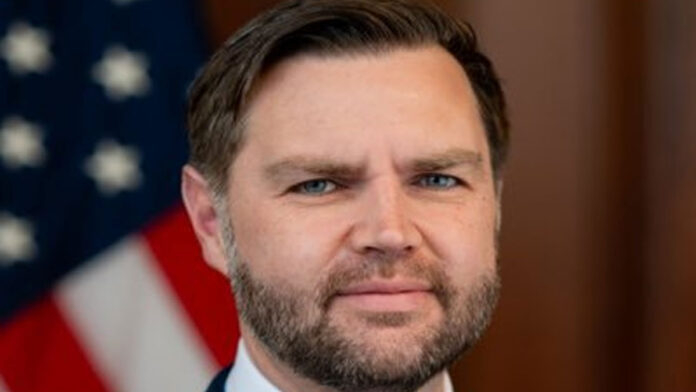
As tensions rise in the Middle East, JD Vance is heading to Pakistan for urgent talks with Iran—at a moment when a fragile ceasefire is dangerously close to breaking down.
The high-stakes diplomatic push comes as the conflict, now entering its sixth week, shows few signs of lasting resolution.
A Ceasefire Hanging by a Thread
The gap between demands on both sides remains wide—raising fears that the ceasefire could collapse without a breakthrough.
Why JD Vance Is Leading the Talks
JD Vance—who has often questioned long-term military involvement abroad—is now at the center of efforts to prevent further escalation.
His role signals a shift toward diplomacy, even as political pressure builds back home in the U.S. to bring the conflict to a close.
The mission was assigned by Donald Trump, who has taken a hardline stance during the conflict but is now seeking a negotiated outcome.
Behind the Scenes: Key Players
Vance is joined by:
- Steve Witkoff
- Jared Kushner
Both have previously engaged in indirect talks with Iranian officials over nuclear and regional security issues.
The White House has not confirmed whether the current talks will be direct, adding to uncertainty around potential outcomes.
A Rare Diplomatic Moment
Direct engagement between Washington and Tehran remains uncommon since the Islamic Revolution.
One of the few recent breakthroughs came in 2013, when Barack Obama spoke with Hassan Rouhani—a moment widely seen as a turning point in nuclear negotiations.
Why This Moment Matters
- A ceasefire collapse could trigger wider regional instability
- Diplomatic success could reset U.S.–Iran relations
- Political stakes are rising ahead of future U.S. elections
For now, the world is watching closely as talks begin in Islamabad—where the outcome could shape the next phase of the conflict.