Washington, D.C. | April 6, 2026
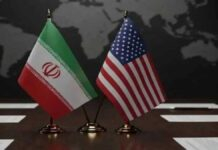
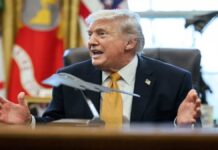
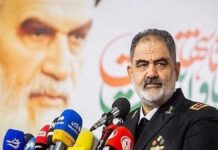
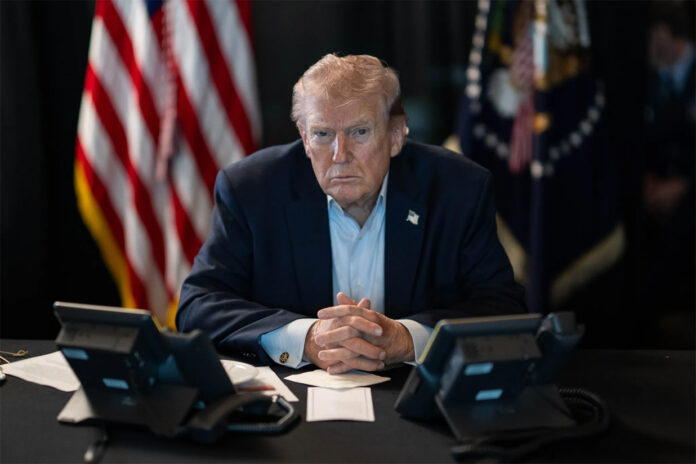
Tensions between the United States and Iran have escalated sharply after U.S. President Donald Trump issued a direct warning of potential military action if Tehran fails to reopen the strategically critical Strait of Hormuz.
In a series of statements, Trump expressed frustration over Iran’s refusal to allow passage through the vital global oil transit route. The president has now set a firm deadline, declaring that if no agreement is reached, the United States could initiate a strike as early as Tuesday night at 8:00 PM Eastern Time (Wednesday 5:30 AM IST).
Posting on his social media platform Truth Social, Trump wrote, “Tuesday night, 8 PM (ET)!”—a message widely interpreted as a final warning to Tehran.
Escalating Rhetoric and Military Threats
Trump had earlier issued a 48-hour ultimatum to Iran, which has since been extended multiple times. The latest deadline now pushes the timeline to April 8, intensifying pressure on Iranian leadership.
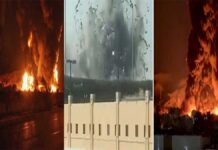
In previous remarks, Trump warned that failure to comply could result in severe military consequences targeting Iran’s critical infrastructure. He specifically mentioned potential strikes on power plants, bridges, and energy facilities, signaling a broad and aggressive response strategy.
The president also suggested that a diplomatic resolution remains possible but warned that the United States is prepared to act decisively if negotiations fail. “If there’s no deal, we will end everything,” Trump reportedly stated in a recent interview.
Growing Regional and Global Concerns
The standoff has heightened fears of a wider conflict in the Middle East, particularly given the importance of the Strait of Hormuz, through which a significant portion of the world’s oil supply passes.
Earlier claims by Trump regarding damage to a major Iranian bridge have further fueled tensions, though independent verification remains unclear. Meanwhile, diplomatic efforts continue behind the scenes, even as both sides maintain strong public positions.
Analysts warn that the coming days will be critical in determining whether the situation de-escalates through negotiations or moves toward direct military confrontation.