Tehran, Iran — April 5, 2026
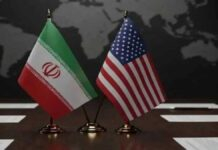
Tensions between the United States and Iran have intensified after Iran rejected a 48-hour ultimatum issued by Donald Trump, calling it “irrational and baseless.” The development comes alongside reports of a strike near a key nuclear facility, raising concerns about potential radiation risks in the region.
Iran Dismisses US Warning
Iranian military officials strongly criticized the ultimatum, which reportedly demanded that Tehran reopen the Strait of Hormuz and engage in negotiations within 48 hours.
A senior commander linked to Iran’s central military command described the warning as “unbalanced and ineffective,” stating that external pressure would not influence Iran’s strategic decisions.
Trump Warns of Potential Military Action
Earlier, President Trump had warned of possible large-scale strikes on Iranian infrastructure if demands were not met within the deadline. In a social media post, he indicated that failure to act could lead to “serious consequences.”
The warning marked a shift from earlier signals suggesting ongoing diplomatic engagement, adding uncertainty to an already volatile situation.
Reported Strike Near Bushehr Nuclear Facility
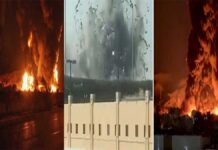
Iran has alleged that a strike occurred near the Bushehr Nuclear Power Plant, reportedly involving the United States and Israel.
According to Iranian officials, the incident resulted in:
- Damage to nearby structures
- Casualties among security personnel
- No confirmed damage to the core nuclear facility
Iran’s Foreign Minister Abbas Araghchi has formally raised the issue with the United Nations, warning of potential environmental and human risks.
Radiation Risk: What Experts Say
The International Atomic Energy Agency stated that no increase in radiation levels has been detected so far. However, the agency emphasized that the situation remains sensitive.
IAEA Director General Rafael Grossi expressed concern, noting that any attack near nuclear facilities carries significant risks and could lead to severe consequences if escalation continues.
Strategic and Regional Implications
The developments have heightened concerns over:
- Stability in the Middle East
- Security of global energy routes
- Risks associated with nuclear infrastructure
The Strait of Hormuz remains a critical flashpoint, with any disruption potentially impacting global oil supplies.
Current Situation
While no radiation leak has been confirmed, the combination of military threats and reported strikes has placed the region on high alert. International observers are closely monitoring further developments as diplomatic and security responses unfold.