
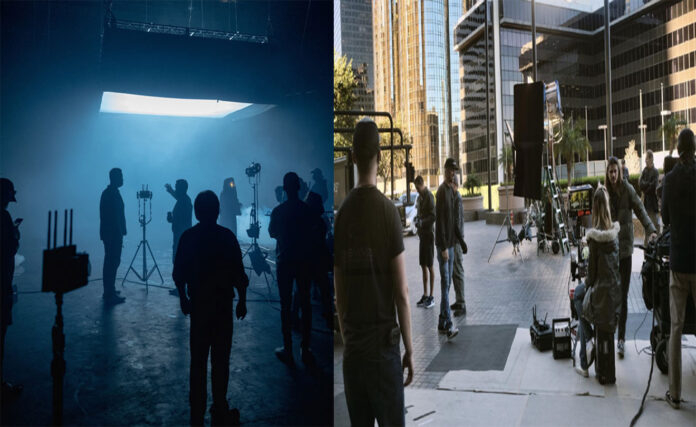
Los Angeles, California, United States — March 31, 2026
The Hollywood entertainment industry is facing a significant slowdown in 2026, as major studios sharply reduce film and television production—triggering concerns about widespread job losses and long-term structural changes.
Industry leaders and lawmakers warn that the downturn is already affecting thousands of workers across Los Angeles, including crew members, writers, actors, and support staff, as fewer projects move into production.
Production Cuts Hit Jobs Across the Industry
The decline in output marks a notable shift from previous years, when studios maintained a steady pipeline of films and series. Now, companies are prioritizing fewer projects with larger budgets, increasing the stakes for each release.
Experts say this shift is leading to reduced employment opportunities across multiple segments of the industry, particularly for freelance and contract-based workers who rely on continuous production cycles.
Rising Costs Driving Studio Decisions
High production costs are a major factor behind the slowdown. Actor and filmmaker Ben Affleck recently highlighted the financial risks, noting that a $25 million film may need to earn $100 million just to break even—calling it “simple math” and a “huge risk.”
Studios are increasingly cautious about greenlighting projects that may not guarantee strong returns in a highly competitive market.
Streaming Shift Reshaping Hollywood
The continued shift toward streaming platforms has also altered audience behavior, reducing reliance on traditional theatrical releases and changing how studios evaluate success.
While streaming has opened new opportunities, it has also intensified competition and forced studios to rethink content strategies, often favoring high-impact, franchise-driven productions over smaller, experimental projects.
Post-Strike Recovery Challenges
The industry is still recovering from recent labor strikes, which disrupted production schedules and strained relationships between studios and creative professionals.
Although production has resumed in many areas, the recovery has been uneven, with lingering uncertainty affecting hiring and investment decisions.
Big-Budget Bets and High Stakes
Despite the slowdown, studios are still planning several major releases in 2026. High-profile projects—including franchise films like Avengers: Doomsday—are expected to anchor the box office.
However, with fewer films being produced overall, the pressure on these blockbuster titles to perform is higher than ever.
Production Delays Add to Uncertainty
Additional disruptions have compounded the situation. For instance, production on Tomb Raider starring Sophie Turner has reportedly been paused due to injury, highlighting the fragility of current production schedules.
Is Hollywood Changing Forever?
Affleck acknowledged that while claims that Hollywood is “dying” may be overstated, there is “some truth” to the idea that the traditional studio model is evolving.
Analysts suggest the industry is entering a transitional phase—moving toward a leaner, more risk-averse model focused on profitability and global appeal.
Outlook: A Critical Year Ahead
As 2026 unfolds, Hollywood faces a defining moment. The balance between creative output, financial sustainability, and changing audience preferences will determine the industry’s future direction.
For now, uncertainty remains high—but so does the potential for reinvention in one of the world’s most influential cultural industries.