Tehran, Dubai, UAE | March 28, 2026
The conflict in West Asia intensified sharply after Iran issued a strong warning to Israel following a series of reported strikes on Iranian nuclear and industrial infrastructure.
Iran’s Foreign Minister Seyed Abbas Araghchi condemned the attacks, stating that Israel would “pay a heavy price” for targeting what Tehran described as critical national assets. His remarks mark one of the strongest official responses yet as the conflict enters a more dangerous phase.
Israeli Strikes Target Key Infrastructure
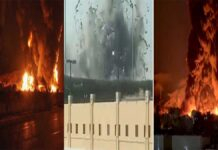
According to officials and regional reports, the strikes targeted multiple high-value sites across Iran, including:
- Two major steel production facilities
- A power generation plant
- Civilian-linked nuclear infrastructure
While independent verification of the full extent of damage remains limited, the attacks represent a significant escalation, moving beyond military targets to include strategic industrial and energy facilities.
Iran has not publicly detailed casualty figures, but authorities have described the strikes as a violation of sovereignty and international norms.
Conflict Enters Fourth Week With Intensifying Retaliation
The ongoing conflict—now in its 29th day—has evolved into a multi-front confrontation involving Iran, Israel, and U.S. forces across the region.
Iran has responded with a series of retaliatory strikes, targeting:
- Israeli military and infrastructure assets
- U.S. military bases in Gulf countries
- Strategic locations linked to regional operations
Missile and drone exchanges have become increasingly frequent, with both sides expanding the scope and scale of their operations.
U.S. Personnel Injured in Saudi Air Base Strike
In a related escalation, at least 10 U.S. service members were injured in a missile and drone attack on the Prince Sultan Air Base in Saudi Arabia.
- Two personnel are reported to be in serious condition
- Several refuelling aircraft were damaged
- Satellite imagery has shown visible damage to infrastructure and aircraft
U.S. officials have acknowledged the incident but have not released detailed operational assessments.
Strategic and Economic Implications Grow
The escalating conflict is raising serious concerns beyond the immediate region, particularly regarding global energy security.
Key risks include:
- Disruptions to shipping routes such as the Strait of Hormuz
- Rising crude oil prices and fuel costs
- Increased insurance and shipping risks
- Potential spillover into broader regional conflict
Energy markets have already shown signs of volatility, with prices reacting to each new escalation.
Diplomatic Pressure and Global Response
International actors, including major global powers and organizations, are increasing diplomatic engagement in an effort to prevent further escalation.
However, with both sides maintaining firm positions and continuing military operations, prospects for immediate de-escalation remain uncertain.