Washington, D.C., United States — March 27, 2026
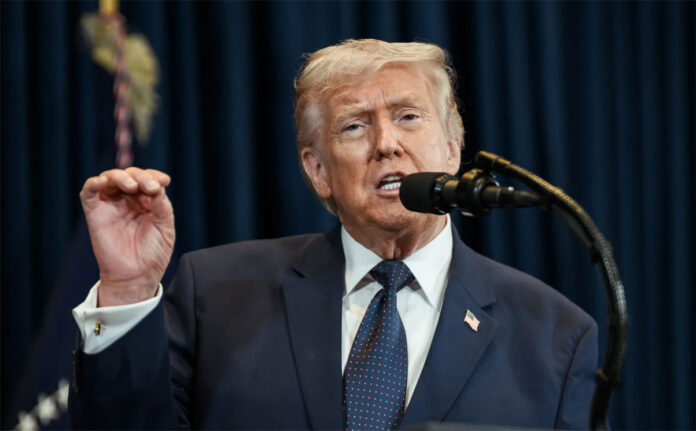
In a major diplomatic development, Donald Trump has extended the deadline for Iran to reopen the strategically critical Strait of Hormuz until April 6, 2026, while temporarily halting planned military action against Iranian energy facilities.
The decision comes at a time of heightened tensions between the United States and Iran, as both sides remain engaged in fragile and high-stakes negotiations.
Deadline Extended Amid Ongoing Talks
According to official statements, the extension was granted following a request from Iran, with Washington signaling a willingness to allow diplomacy more time before considering military escalation.
President Trump stated that discussions are progressing positively, pushing back against reports suggesting a breakdown in talks. Earlier, the U.S. had issued a 48-hour ultimatum demanding that Iran reopen the Strait of Hormuz to oil tankers or face potential strikes.
The deadline has now been extended twice, indicating a shift toward diplomatic engagement despite continued pressure.
Iran Sets Firm Conditions
Iran, however, has presented its own set of demands during negotiations. According to regional media reports, Tehran has called for:
- An immediate halt to U.S. and Israeli attacks on its territory and allied groups
- Compensation for damages caused by ongoing conflict
- Recognition of its sovereignty over the Strait of Hormuz
These conditions are seen as stringent and significantly beyond the current U.S. framework, complicating the path to a potential agreement.
Diplomacy Continues Amid Hardline Messaging
U.S. envoy Steve Witkoff confirmed that a 15-point proposal has been conveyed to Iran through diplomatic channels, including mediation efforts involving Pakistan.
While there are indications of progress, trust between the two sides remains limited.
President Trump maintained a dual approach—supporting negotiations while reiterating a strong warning that failure to reach a deal could lead to severe military consequences. He also suggested the possibility of U.S. control over Iran’s oil resources, referencing past actions in Venezuela.
Regional Concerns Rise
The ongoing conflict is also triggering concern within Israel. Opposition leader Yair Lapid criticized the government, warning that military operations are being stretched across multiple fronts without sufficient resources.
He cautioned that the current strategy could strain the armed forces and escalate risks in an already volatile region.
Situation on the Ground Remains Volatile
Despite diplomatic efforts, conditions on the ground remain tense.
Reports indicate continued airstrikes inside Iran, including the killing of a senior commander of the Islamic Revolutionary Guard Corps’ naval division. Explosions and attacks have been reported in multiple cities.
Iran has responded with missile and drone strikes targeting Gulf region assets, further intensifying instability and raising concerns over global energy security.
Global Impact
The Strait of Hormuz remains one of the world’s most critical oil transit routes, and any disruption has immediate implications for global energy markets.
The ongoing standoff has already contributed to volatility in oil prices and heightened uncertainty in international markets.