
Riyadh/Washington/Kyiv/Moscow — March 26, 2026
Russia and Ukraine have reached a tentative agreement to halt naval hostilities in the Black Sea and suspend attacks on critical energy infrastructure, marking a rare diplomatic breakthrough in the ongoing war.
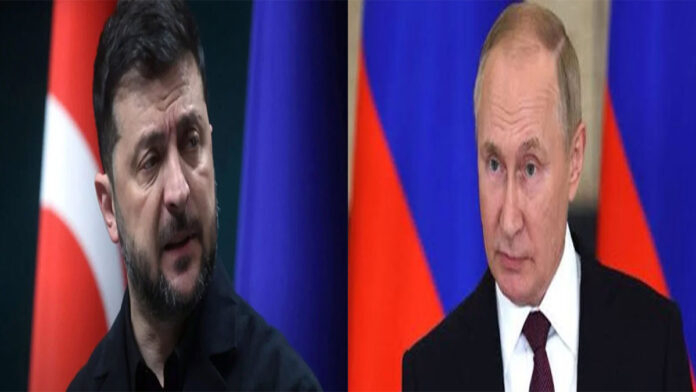
The deal, facilitated through U.S.-mediated negotiations in Saudi Arabia, represents a limited but significant step toward de-escalation between the two sides led by Vladimir Putin and Volodymyr Zelenskyy.
Black Sea Ceasefire: Securing Global Trade Routes
Under the agreement, both countries have committed to reducing naval activity in the Black Sea, a strategically vital corridor for global grain and fertilizer exports.
The Black Sea region has been central to the conflict, with repeated disruptions affecting international shipping and food supply chains. The ceasefire aims to:
- Ensure safer passage for commercial vessels
- Reduce risks of naval confrontation
- Stabilize global commodity flows
Diplomatic observers say the move could help ease pressure on global food markets, particularly in developing economies.
Sanctions Relief Remains a Key Condition
Despite the agreement, Moscow has made clear that its full participation depends on the easing of Western sanctions on Russian agricultural and fertilizer exports.
Officials close to Vladimir Putin have argued that restrictions on financial transactions and logistics continue to limit Russia’s ability to export key commodities.
The United States, under Donald Trump, has indicated openness to facilitating certain export channels, but broader sanctions relief remains politically sensitive, particularly among European allies.
Energy Infrastructure Truce
In a parallel development, both sides agreed to halt attacks on energy infrastructure, which has been a major escalation point in recent months.
Power plants, oil depots, and electricity grids have been frequent targets, contributing to widespread disruptions. The agreement seeks to:
- Protect critical civilian infrastructure
- Reduce humanitarian impact
- Prevent further economic destabilization
However, early skepticism remains over enforcement, with both sides historically accusing each other of violations.
Strategic Context: Limited Progress in a Prolonged War
While the agreement signals progress, it does not address the core drivers of the conflict, including territorial disputes and long-term security arrangements.
Negotiations involving Volodymyr Zelenskyy have consistently emphasized sovereignty and territorial integrity, while Russia has maintained its strategic objectives in contested regions.
Analysts describe the deal as a “sector-specific de-escalation”, rather than a comprehensive peace agreement.
Global Implications
The agreement could have meaningful global repercussions:
- Food Security: Stabilized grain exports from the Black Sea region
- Energy Markets: Reduced volatility from infrastructure attacks
- Emerging Economies: Potential relief for countries like India facing inflationary pressures
At the same time, uncertainty around implementation continues to pose risks for global markets.
Diplomatic Outlook
The U.S.-mediated talks highlight Washington’s continued role in attempting to manage the conflict, even as global attention is divided by other crises, including tensions in the Middle East.
For now, the agreement represents a fragile but notable step toward reducing immediate risks, though a broader resolution remains distant.









Comments are closed.