
New Delhi | February 28, 2026
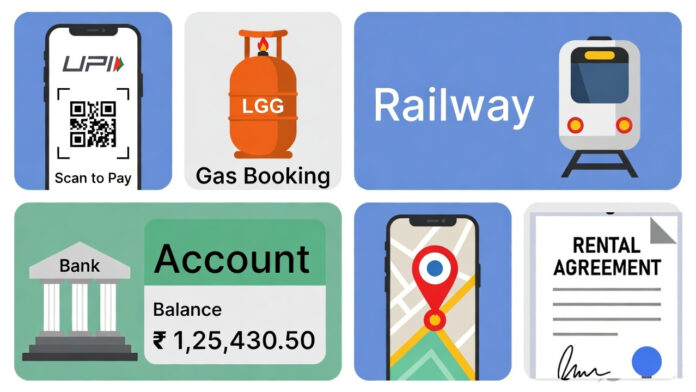
Several financial and administrative rules are set to change from March 1, potentially affecting millions of people across India. As is typical at the start of a new month, updates related to digital payments, LPG prices, railways, banking norms, and rental regulations may come into effect.
Here’s a detailed breakdown of what could change and how it may impact consumers.
SIM-Binding Rule for Messaging Apps
Mobile users may see new security regulations requiring messaging apps like WhatsApp to be linked directly to the active SIM card installed in the device being used.
Under the new framework:
The app must be connected to the active SIM inside the same device.
Web and desktop logins may automatically log out after six hours.
The objective is to reduce fraud linked to fake numbers and curb cybercrime.
Indian Railways to Shut Down Old UTS App
Starting March 1, Indian Railways will discontinue its older UTS mobile application.
Passengers booking unreserved tickets or platform tickets will need to switch to the new RailOne app.
Railway officials say the new system will be:
Faster
More secure
More user-friendly
Initial technical issues are possible as users transition, but authorities claim improved efficiency and promotional discounts for ticket bookings.
LPG Cylinder Prices May Be Revised
LPG cylinder prices are typically revised on the first of every month. With the upcoming festive season, consumers are hoping for relief in cooking gas prices.
Final rates will depend on government announcements and global pricing trends.
Possible Relief in Minimum Balance Rules
Public sector banks may revise how penalties for low account balances are calculated.
Previously, penalties were triggered if the balance fell below the required amount on a specific day. Under the proposed change, charges may instead be based on Average Monthly Balance (AMB).
This could make it easier for customers to avoid penalties by maintaining overall monthly averages rather than daily thresholds.
Stronger Security for UPI Payments
Digital payments via the Unified Payments Interface (UPI) are expected to become more secure.
For high-value transactions, banks may introduce additional layers of authentication beyond the standard UPI PIN. These could include:
Biometric verification
Multi-factor authentication
The aim is to reduce online fraud and strengthen transaction security.
Rental Rules May See Updates
Rental agreements may also undergo regulatory changes.
Proposals under discussion include:
Mandatory digital registration for new or renewed rental agreements
Limiting security deposits to a maximum of two months’ rent
Requiring prior notice before landlord entry
These steps are aimed at reducing disputes between landlords and tenants.