Washington, D.C., February 21, 2026
Trump Announces New Global Tariff After Court Setback
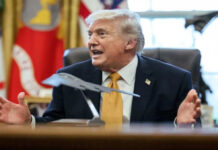
U.S. President Donald Trump announced a sweeping new trade move after a major legal setback, declaring he will impose an additional 10% global tariff on imports from all countries. The decision comes in response to a ruling by the U.S. Supreme Court that invalidated his earlier tariff measures.
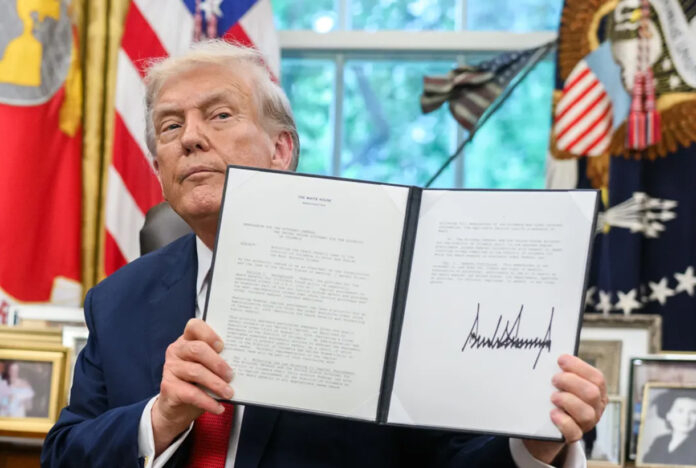
Speaking to reporters, Trump said he would sign a new executive order the same day authorizing the tariff under Section 122 of the Trade Act, signaling an escalation in U.S. trade policy.
Extra Duty on Top of Existing Tariffs
The president clarified that the new 10% duty will be added on top of existing baseline tariffs, meaning countries already paying import duties will face higher total rates.
Administration officials confirmed the measure will remain in effect for 150 days, after which policymakers may decide whether to extend or revise it under additional legal provisions.
Investigations Into Trade Practices
Trump also announced that the administration is launching multiple investigations under Section 301 and other legal authorities to examine what he described as unfair trade practices by foreign governments and corporations.
According to officials, these reviews aim to determine whether further trade penalties or tariffs are necessary to protect U.S. industries.
“Tariffs Protect America”
The president reiterated that strict trade policies are central to his economic agenda, stating that tariffs are a powerful tool to safeguard American workers and domestic manufacturing.
He added that even if one policy path is blocked by legal challenges, his administration has alternative mechanisms to pursue its trade objectives.
Impact on India and Other Countries
A senior White House official said the new tariff would apply to all nations, including India. The additional 10% duty would remain in place until replaced or modified by another legal framework.
Because the measure is universal rather than country-specific, analysts say it could reshape global trade flows and affect pricing across multiple sectors, including manufacturing, technology, and consumer goods.
Policy Outlook
The new order underscores growing tensions between the executive branch and the judiciary over trade authority. Market analysts expect volatility in global trade negotiations as countries evaluate possible responses.
Whether the tariff becomes permanent will depend on legal reviews and potential legislative action in the coming months.