Washington, D.C., February 21, 2026
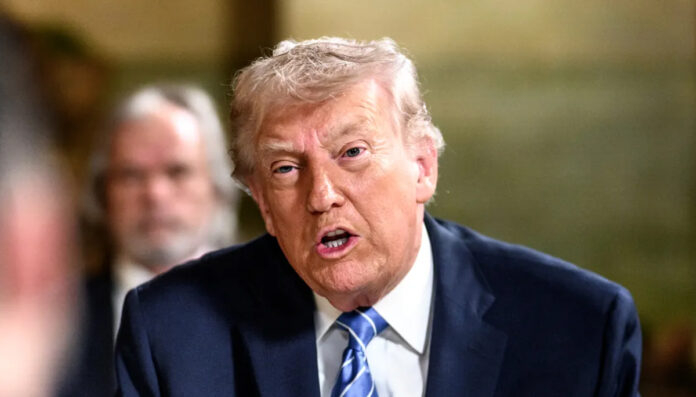
U.S. President Donald Trump said his administration will not alter its trade agreement with India despite a court ruling that invalidated earlier tariff measures. Speaking to reporters at the White House, Trump announced a temporary 10% global import tariff that will take effect February 24 and remain in place for 150 days.
The announcement came shortly after the U.S. Supreme Court ruled that his previous tariff policy was unlawful and ordered it removed. Trump responded by issuing a new tariff directive, signaling he intends to maintain a hardline trade stance.
How Much Tariff Will India Pay Now?
According to a report by CNBC, India is expected to face a 10% tariff rate under the new global policy. Previously, some countries were subject to higher duties:
European Union — 15%
Japan — 15%
United Kingdom — 10%
India — 18%
If the uniform tariff is implemented as announced, India’s rate could effectively drop from 18% to 10%. However, official confirmation from U.S. trade authorities is still pending.
Trump: “Nothing Will Change” in India Deal
Trump emphasized that the previously announced interim trade framework with India will remain intact.
He stated that India would continue paying tariffs while the United States would not, describing the arrangement as favorable compared with earlier terms. Trump also described his relationship with Indian Prime Minister Narendra Modi as “very good.”
Recently, Washington had already removed a proposed 25% punitive tariff on Indian goods and indicated a revised structure reducing it to 18% before the latest global tariff announcement.
Claims About Conflict Mediation and Oil Imports
During the press interaction, Trump reiterated claims that tariff threats helped prevent escalation between India and Pakistan, saying both countries were warned of potential 200% tariffs. He also stated that India reduced purchases of Russian oil at his request. These claims have previously been questioned, and no independent confirmation was provided during the briefing.
Trump maintained that tariffs are essential for protecting U.S. national security and domestic industry.
Policy Outlook
The newly announced global tariff will remain in effect for 150 days. After that period, Congress is expected to review a proposal determining whether to extend, modify, or terminate the measure.
Trade analysts say the temporary tariff structure could reshape global import costs and trade negotiations, particularly if lawmakers choose to make it permanent.