Tehran, Iran | January 31, 2026
Iran is facing a deepening political and security crisis as widespread protests continue across the country, while new satellite imagery indicates renewed activity at key nuclear facilities previously damaged in airstrikes. The developments have sparked fresh international scrutiny over Tehran’s nuclear and missile ambitions.
Protests Escalate From Economic to Political Demands
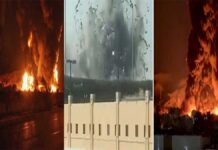
Large-scale demonstrations have gripped Iran in recent weeks. What began as protests against inflation and unemployment have now escalated into broader political demands directed at the government. Despite strict crackdowns by authorities, demonstrations and reported casualties have continued, drawing global attention to Iran’s internal stability.
Against this backdrop of domestic unrest, recent satellite images suggest strategic activity at sensitive nuclear locations, raising questions about Iran’s next moves.
New Activity Seen at Natanz and Isfahan Nuclear Sites
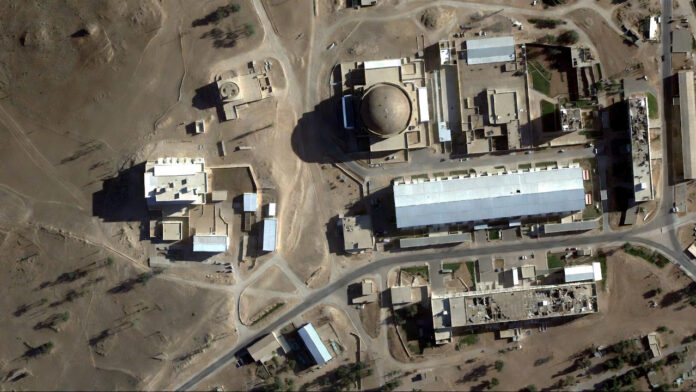
According to satellite imagery reviewed by independent analysts, new roofing structures have appeared over damaged buildings at two major nuclear sites—Natanz Nuclear Facility and Isfahan Nuclear Technology Center.
Experts say these roofs appear designed to conceal ground-level operations, preventing observation of any remaining nuclear-related materials or sensitive equipment. Analysts believe Iran may be assessing and securing surviving assets, rather than beginning full-scale reconstruction.
Natanz: Damage From Israeli and US Strikes
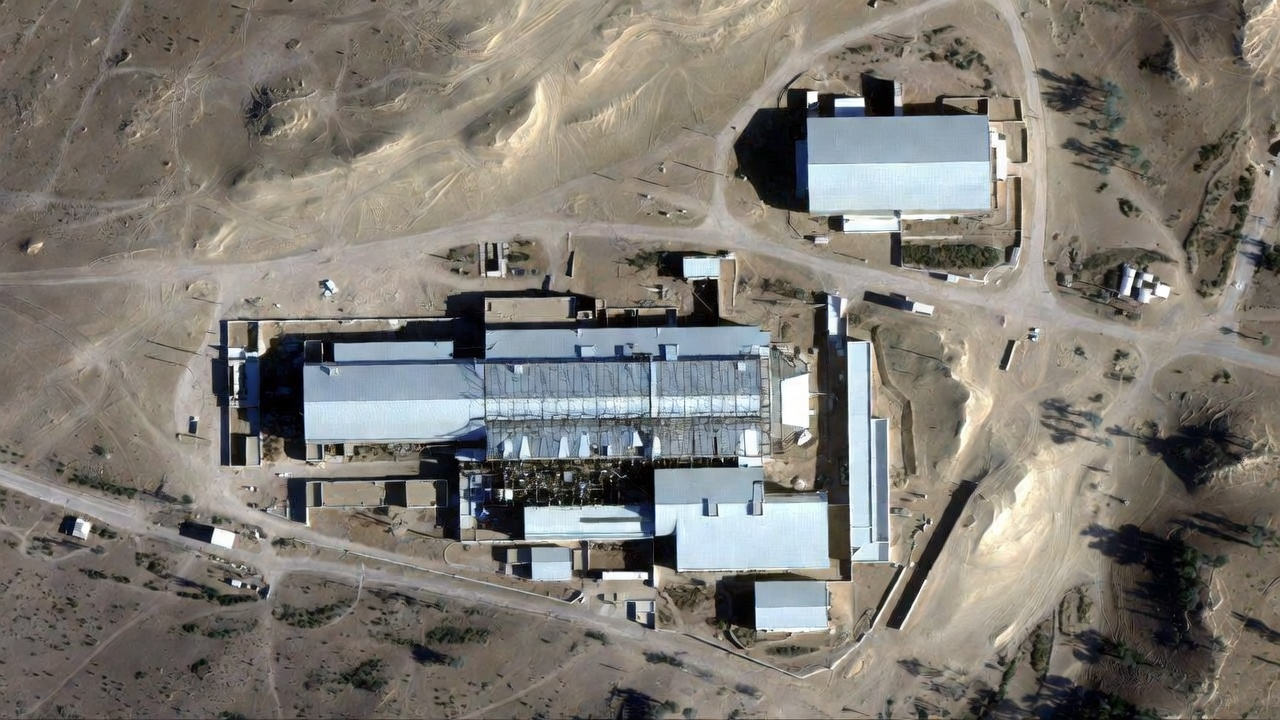
The Natanz site’s primary structure, the Pilot Fuel Enrichment Plant, was destroyed during an Israeli strike last June. Subsequent US attacks caused significant damage to underground facilities, according to assessments.
Recent satellite images show that a new roof was constructed in December, though the site’s electrical infrastructure remains severely damaged. Specialists note that the absence of power restoration suggests containment and recovery efforts rather than renewed enrichment operations—at least for now.
Isfahan Site Also Covered
At the Isfahan nuclear complex, satellite imagery shows a roof built adjacent to a damaged structure that previously housed centrifuge manufacturing units. The facility had been targeted earlier in Israeli strikes.
Images also indicate that some tunnels carved into nearby hillsides have been filled with soil, while new protective walls have been erected near at least one tunnel entrance. Analysts interpret this as a move to restrict access and limit external surveillance.
Experts Warn of Concealment, Not Reconstruction
Based on the imagery, security experts say the current activity appears aimed at removing or hiding remaining resources, not constructing new nuclear infrastructure. However, media reports also suggest that Iran may be simultaneously rebuilding parts of its ballistic missile and military facilities.
Construction activity has reportedly been observed at the Taleghan 2 Site in the Parchin region, an area long associated with sensitive defense research.
Iran Reactivating Nuclear and Missile Programs?
The Taleghan 2 site was destroyed in an Israeli airstrike in October 2024. Experts believe the facility may be linked to high-explosive testing and weapons-related research.
Analysts suggest that the roofing at Natanz and Isfahan, combined with construction at Taleghan 2, indicates an effort to secure strategic assets and shield activities from international monitoring, even as Iran faces heightened diplomatic pressure and surveillance.
While there is no confirmed evidence of active weapons development, specialists warn that these steps may signal Iran’s gradual reactivation of its nuclear and missile programs amid internal unrest and regional tensions.