Washington, DC | January 29, 2026
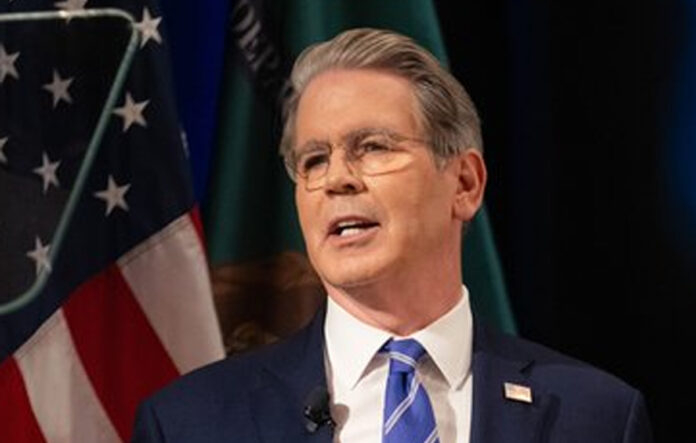
The newly finalized India–European Union trade agreement has drawn sharp criticism from the United States, with US Treasury Secretary Scott Bessent accusing Europe of prioritizing economic interests over Ukraine’s security amid the ongoing Russia–Ukraine war.
Speaking to a news channel, Bessent expressed deep disappointment with the European Union’s stance, alleging that the bloc had chosen commercial gains over the safety and concerns of the Ukrainian people. His remarks came just a day after India and the EU announced the conclusion of their long-pending trade negotiations.
US Reaction Follows India–EU Trade Breakthrough
The US response comes at a sensitive moment, as the India–EU trade agreement aims to significantly expand bilateral commerce while reducing Europe’s dependence on the American market. Under the deal, import duties on approximately 96.6% of traded goods will either be eliminated or sharply reduced, according to officials familiar with the agreement.
Trade experts estimate that the agreement could double Europe’s exports to India by 2032, potentially saving European companies nearly €4 billion through lower tariffs and improved market access.
Bessent Accuses Europe of Indirectly Funding Russia’s War
Bessent claimed that the agreement sheds light on why the European Union did not support last year’s US decision to impose higher tariffs on Indian goods. He alleged that European nations are, in effect, financially supporting Russia’s war effort.
According to the US Treasury Secretary, Russian crude oil is exported to India, where it is refined and later sold as petroleum products to Europe. He argued that this trade flow allows Europe to indirectly finance Russia, despite publicly opposing Moscow’s military actions.
“This dynamic means Europe is unintentionally funding a war that it claims to stand against,” Bessent said during the interview.
US Highlights Tariffs and Sacrifices Over Ukraine War
Bessent also noted that the United States imposed a 25% tariff on Indian imports due to India’s continued purchase of Russian oil, while European countries instead chose to deepen trade ties with New Delhi through the new agreement.
He further asserted that the Trump administration has made greater efforts than Europe to bring an end to the Russia–Ukraine conflict, claiming that the United States has borne significantly more economic and strategic costs in pursuit of ending the war.
According to Bessent, Washington’s approach reflects a willingness to make difficult sacrifices, while Europe has increasingly focused on safeguarding its economic interests.
Growing Transatlantic Tensions Over Trade and Geopolitics
The comments highlight rising tensions between the US and the EU over trade policy, sanctions enforcement, and approaches to the Ukraine conflict. As global trade patterns shift and geopolitical alliances are tested, the India–EU trade deal has become a new flashpoint in broader debates over economic security and strategic priorities.