Washington, D.C. | January 4, 2026
U.S. Signals Temporary Control of Venezuela After Maduro Arrest
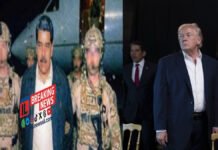
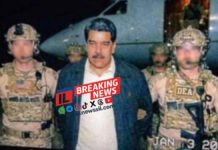
The United States has indicated plans to exercise temporary strategic control over Venezuela, triggering sharp international reactions, following a dramatic military operation that resulted in the capture of Venezuelan President Nicolás Maduro and First Lady Cilia Flores.
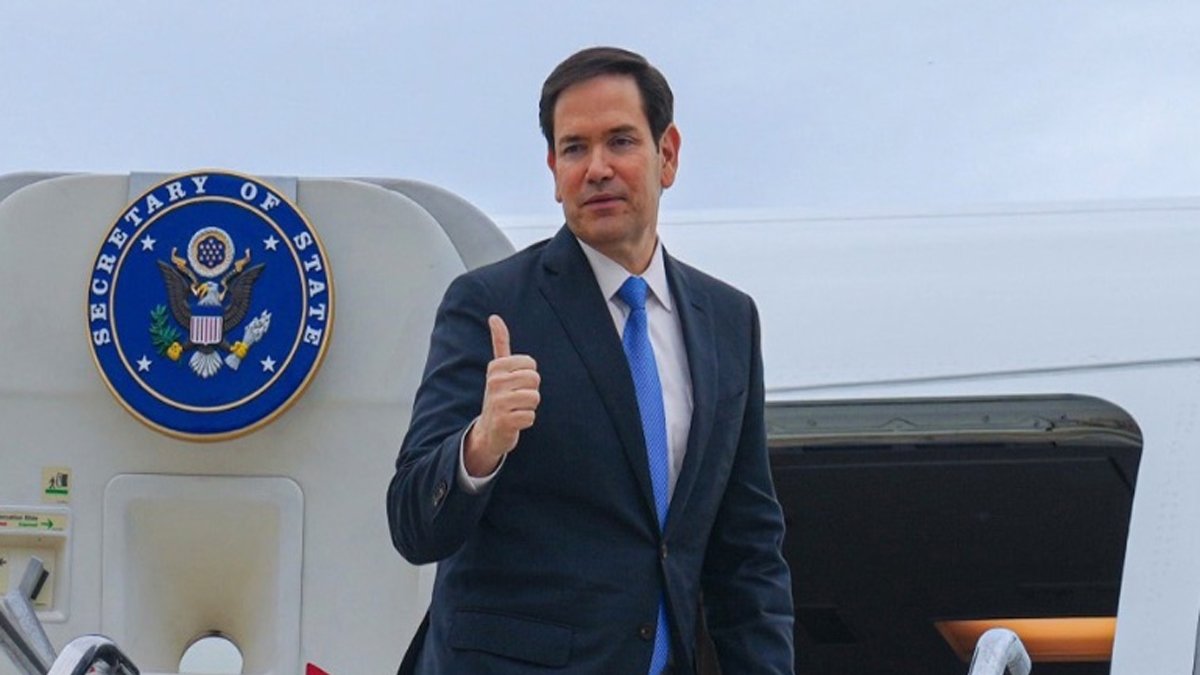
U.S. Secretary of State Marco Rubio, speaking on January 4, confirmed that American ground troops and naval forces would remain positioned in the Caribbean as “leverage” after the January 3 raid, which involved airstrikes, special operations forces, and naval coordination.
Details of the Military Operation
According to U.S. officials, the operation led to:
The arrest of Nicolás Maduro and Cilia Flores, who were transported to New York
At least 40 Venezuelan fatalities reported during airstrikes
Injuries to U.S. personnel after a military helicopter was struck
Prior maritime strikes on suspected drug-trafficking vessels that reportedly killed over 100 individuals
Maduro now faces federal charges in New York, including narco-terrorism and large-scale cocaine trafficking, under long-standing U.S. indictments.
Political Shift in Washington’s Venezuela Strategy
President Donald Trump publicly rejected calls to transfer authority to opposition leader María Corina Machado, a Nobel Peace Prize laureate, signaling instead a willingness to work with Interim President Delcy Rodríguez—despite her refusal to recognize U.S. authority.
Trump emphasized two strategic priorities:
Opening Venezuela’s oil sector to U.S. companies
Escalating anti-narcotics enforcement in the region
Largest U.S. Military Presence Since 1962
Pentagon sources confirm that approximately 15,000 U.S. troops, along with warships, drones, and surveillance aircraft, remain deployed in and around Venezuela—marking the largest American military buildup in the Caribbean since the Cuban Missile Crisis.
Global Reaction and Legal Concerns
The operation has sparked polarized global reactions:
Protests erupted in several U.S. cities, with demonstrators condemning what they called “blood for oil.”
Celebrations broke out among sections of the Venezuelan diaspora.
OPEC Plus announced it would maintain existing production pauses amid oil market uncertainty.
UK Prime Minister Keir Starmer and other European leaders requested formal clarification from Washington.
International law experts raised concerns over potential violations of the UN Charter, particularly regarding sovereignty and use of force.
What Comes Next
While U.S. officials describe the control as “temporary,” no timeline has been announced. Analysts warn that the situation could reshape Latin American geopolitics, global energy markets, and international legal norms in the months ahead.