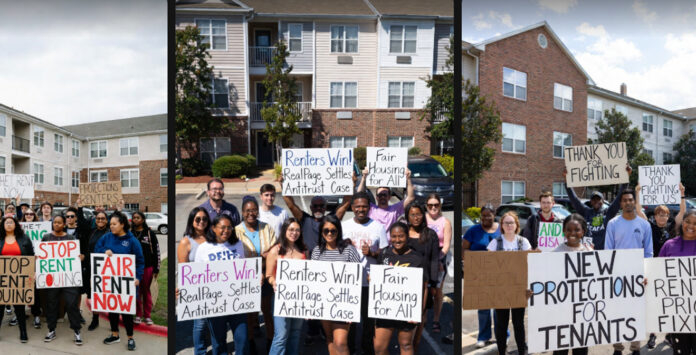
Washington, D.C., November 26, 2025:
A historic antitrust settlement against RealPage Inc. ignited nationwide debate on Wednesday, trending across TikTok and Twitter under #RentFix as the U.S. Department of Justice (DOJ) moved to curb algorithmic rent-setting practices blamed for surging housing costs. The agreement, hailed as a breakthrough for tenant rights, prohibits landlords from using RealPage’s pricing tools to coordinate rental rates—tools reportedly used by nearly 80% of large property management firms.
Federal investigators allege that RealPage’s software facilitated rent inflation of 5–10% in markets such as Atlanta, Seattle, Denver, and Phoenix by pooling proprietary data from competing landlords. This practice, the DOJ argued, amounted to algorithmic collusion that artificially pushed housing prices higher while reducing market competition.
Under the settlement, RealPage must introduce full transparency in its pricing algorithms, ban data pooling across competitors, and clearly disclose model inputs to regulators. Analysts estimate tenants could save up to $100 per month, offering significant relief amid a nationwide 3% rent increase in 2025.
The ruling quickly went viral as renters shared emotional videos detailing years of financial strain under rising rents. Housing advocates, energized by the momentum under hashtags like #HousingJustice, called for similar enforcement in mid-tier cities and rural counties where affordability pressures continue to build.
Real estate lobby groups criticized the settlement as excessive government intervention, warning of unintended consequences for property development. However, a recent poll showed over 70% public support for limiting algorithmic rent tools, reflecting widespread frustration with escalating housing costs.
Experts say the decision could reshape the economics of urban housing, setting a precedent for regulating algorithm-driven price coordination across industries. For tenants, the settlement marks a rare win in the ongoing struggle for fair, transparent, and competitive rental markets.