New Delhi, India – February 13, 2026
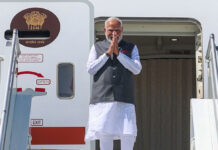
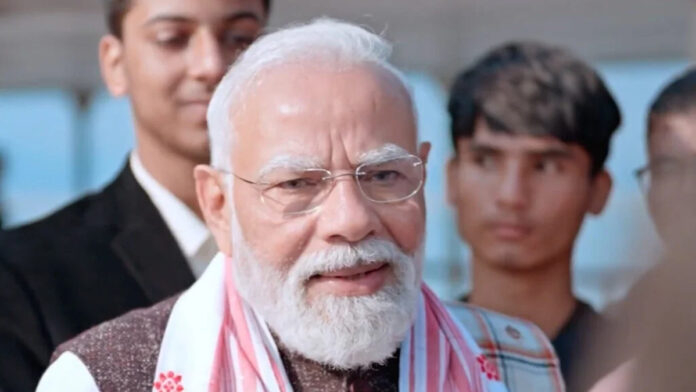
Prime Minister Narendra Modi on Friday congratulated Tarique Rahman following the Bangladesh Nationalist Party’s (BNP) majority victory in Bangladesh’s general elections.
Rahman, son of former Prime Minister Khaleda Zia, led the Bangladesh Nationalist Party to a decisive win, marking a significant shift in the country’s political landscape.
Modi Highlights Democratic Mandate
In his congratulatory message, Prime Minister Modi said the victory reflects the trust and confidence of the Bangladeshi people in Rahman’s leadership.
He reaffirmed that India remains committed to supporting a democratic, progressive, and inclusive Bangladesh.
“India will always stand in support of a democratic and forward-looking Bangladesh,” the Prime Minister stated.
Focus on Strengthening Bilateral Relations
Modi also emphasized the importance of India-Bangladesh ties, describing the relationship as multi-dimensional and rooted in shared development goals.
He expressed his willingness to work closely with Rahman to further strengthen cooperation in areas such as:
Trade and connectivity
Regional security
Infrastructure development
Cultural and people-to-people exchanges
Both countries share deep historical, economic, and strategic ties, and recent years have seen expanded collaboration across multiple sectors.
Regional Significance
Bangladesh’s election outcome is expected to have implications for regional diplomacy in South Asia. Analysts suggest that continued cooperation between New Delhi and Dhaka will remain central to economic growth and stability in the region.
With the BNP forming the government, attention now turns to how bilateral engagement evolves under the new leadership.