Tehran, Iran — January 11, 2026
Violence linked to ongoing anti-government protests in Iran has claimed the lives of at least 300 people, while thousands have been arrested, according to human rights organizations monitoring the unrest.
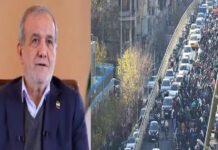
The nationwide protests, directed against Iran’s religious establishment, have now entered their second week, spreading across all 31 provinces of the country. Rights groups say the death toll has continued to rise amid clashes between demonstrators and security forces.
According to the U.S.-based Human Rights Activists News Agency (HRANA), more than 2,700 people have been detained so far. The organization stated that it has previously provided reliable casualty and arrest figures during earlier protest movements in Iran.
Supreme Leader Signals Tougher Crackdown
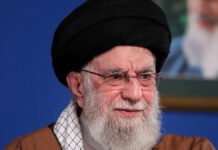
Iran’s Supreme Leader Ayatollah Ali Khamenei has signaled a hardening stance in recent remarks, raising concerns that authorities may intensify action against protesters in the coming days.
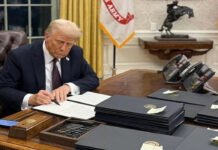
Meanwhile, U.S. President Donald Trump warned that the United States could intervene if peaceful demonstrators are subjected to severe repression, escalating international attention on the situation.
On Saturday, Iran’s government adopted an even tougher tone. Attorney General Mohammad Movahedi Azad warned that individuals participating in protests would be considered “enemies of God,” a charge under Iranian law that can carry the death penalty.
What Triggered the Iran Protests?
The protests began on December 28, following a historic collapse of Iran’s currency, the rial, which fell to a record low of 1.4 million per U.S. dollar.
Key triggers behind the unrest include:
Shop closures by traders in Tehran’s bazaars protesting skyrocketing inflation
Sudden price hikes in essential goods such as cooking oil and chicken
Shortages of basic commodities across markets
Rising unemployment, economic sanctions, and declining purchasing power
The government’s decision to abolish the subsidized dollar exchange system
What initially began as protests over economic hardship gradually evolved into demands for political change, with slogans increasingly targeting Iran’s ruling structure.
Situation Remains Tense
With demonstrations now spanning the entire country and security forces maintaining a heavy presence, observers warn that the situation remains volatile. Human rights groups continue to urge restraint and accountability as the crisis unfolds.