New Delhi | January 8, 2026
Large parts of North and Central India are set to experience severe cold wave conditions and dense fog on January 8, 2026, while southern states may see heavy to very heavy rainfall, according to weather forecasts.
The contrasting weather patterns are expected to disrupt daily life, with reduced visibility affecting travel in northern regions and intense rainfall triggering alerts across parts of South India.
North and Central India: Cold Wave and Dense Fog
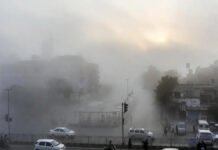
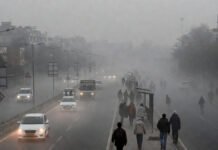
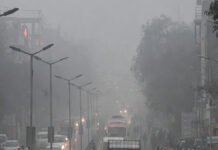
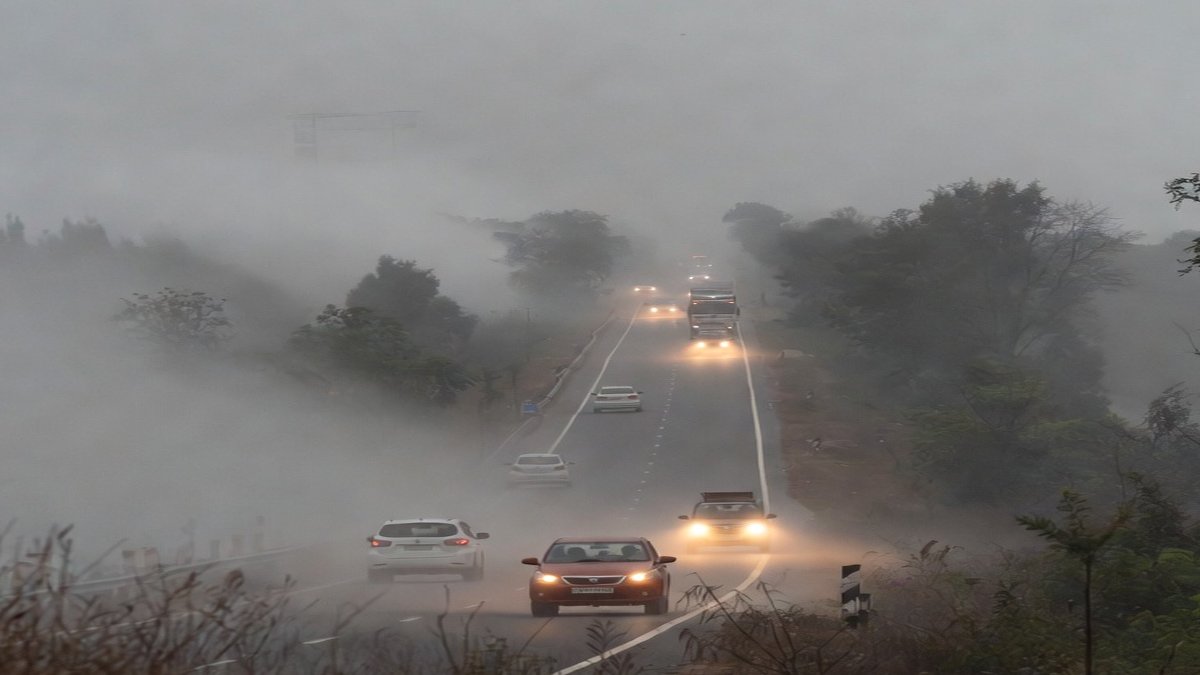
Cold wave conditions are likely to persist across Punjab, Haryana, Chandigarh, Delhi, Rajasthan, and parts of Odisha. Morning hours may witness dense to very dense fog over Uttar Pradesh, Punjab, Haryana, and Rajasthan, significantly reducing visibility on roads and rail routes.
In Delhi-NCR, minimum temperatures are expected to hover between 6°C and 8°C, while maximum temperatures may range from 16°C to 18°C. In districts such as Etawah and Kanpur in Uttar Pradesh, temperatures could dip sharply to 3°C–5°C.
Other states including Madhya Pradesh, Jharkhand, Vidarbha, and Chhattisgarh may also record a further 2–3°C drop in minimum temperatures.
South India: Heavy Rainfall Alert
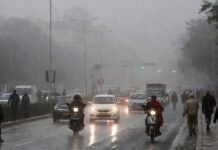
A weather system forming over the Bay of Bengal is likely to trigger heavy to very heavy rainfall across Tamil Nadu, Puducherry, and Karaikal.
Coastal and offshore areas are expected to experience strong winds, prompting advisories for fishermen to avoid venturing into the sea until conditions improve.
Hilly Regions: Snowfall and Extreme Cold
Upper reaches of Jammu and Kashmir, Ladakh, and Himachal Pradesh are expected to receive light snowfall, accompanied by extremely cold conditions. In Uttarakhand, authorities have issued warnings for ground frost in isolated locations.
Travel and Health Advisory
Dense fog during early morning hours may lead to road, rail, and flight delays.
Residents in cold wave–affected regions are advised to wear layered warm clothing and maintain immunity with vitamin C–rich diets.
For real-time updates and city-specific forecasts, residents are advised to refer to the India Meteorological Department (IMD) official platforms.